
Canada has a vision to create a fully electrified, net-zero economy by 2050. This three-part blog series "Electric Ambition" explores how we can double electrification, supply and energy efficiency/productivity.
It is well understood that electrification is the fastest and most cost-effective way to reach net-zero and build the energy economy of the future – global investors are reacting accordingly. The International Energy Agency’s World Energy Investment 2026 report, found that global clean energy investment will again be roughly double that of fossil fuel investment, ($2.2 trillion to $1.2 trillion). This gap has grown over the last decade since clean investment surpassed fossil investment in 2016. The new Electrify Now global movement aimed at fast-tracking the electrification of our lives and industries also sends a strong signal that the Age of Electricity is here.
Renewables are key to a prosperous Canada
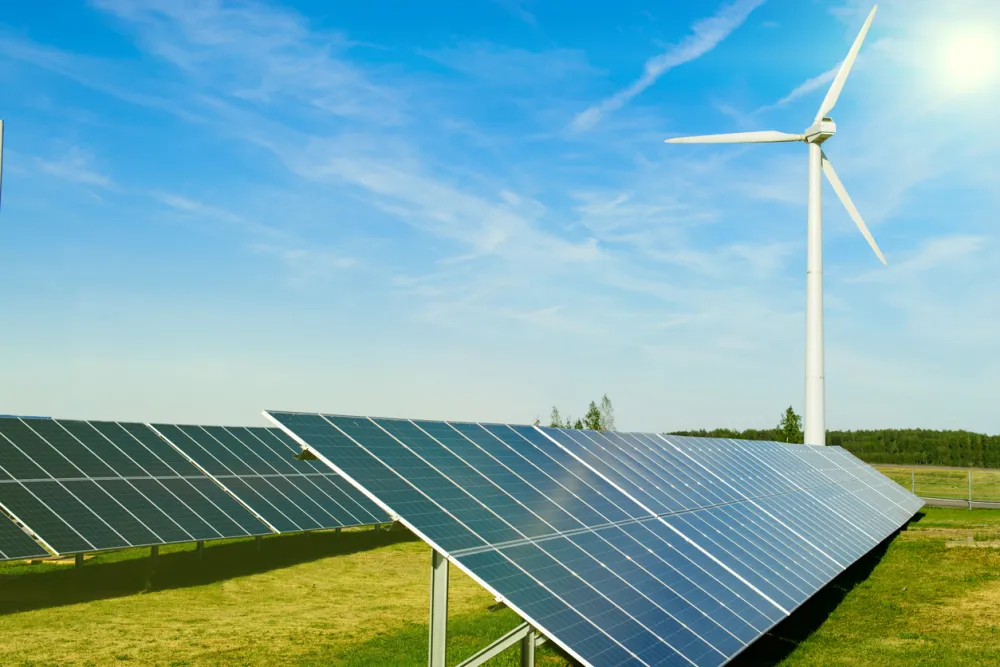
The number one way we can effectively double our electricity supply is to rapidly scale up renewable energy options such as wind, solar and battery storage. Renewables have become the lowest cost option for new supply around the world and collectively have overtaken coal as the largest source of electricity globally. These technologies are cost-effective, fast to deploy, and reduce climate-warming emissions compared to fossil fuel alternatives. The challenge in Canada is not that renewables are difficult to deploy or scale up, it’s that in some provinces, outdated thinking and policy frameworks encourage fossil fuels even when cleaner and more cost effective options exist.
Some provinces are heading in the wrong direction
As renewable energy use surges in many parts of the world, Alberta and Saskatchewan going backwards. Multiple layers of new red tape aimed at renewable energy have been added in Alberta adding to market and policy uncertainty, transmission constraints and changes in carbon pricing, which has deterred investors and led to a near collapse of clean energy project plans. Meanwhile, the same government is requiring data centres to be powered by gas in a manner that will increase emissions and prices.
Saskatchewan has also reversed course on SaskPower’s coal phase out plans by choosing the most expensive and polluting option to refurbish and life-extend its aging coal units rather than taking advantage of its world class renewable energy resources and the opportunities for First Nations and rural communities to help develop them.
Some provinces are gaining momentum
Encouragingly, low-cost renewables are gaining ground in almost every other part of the country. Recently, a Memorandum of Understanding was signed between the federal government and the Atlantic provinces to promote electricity system integration while scaling up offshore wind development and storage. In Ontario, the latest power procurement round saw batteries, wind and solar out-compete gas in every instance, proving that clean energy is now the lowest-cost option. A new electricity agreement between Quebec and Newfoundland and Labrador, if it moves ahead, will represent the largest clean energy investment in North American history. B.C. and Quebec are also gaining momentum, with most of their grids already powered by hydroelectricity and further grid buildout underway.
To achieve the goals laid out in Powering Canada Strong, every province and territory will need to align on the goal to build out cleaner energy sources by removing roadblocks to low-cost, low-emission energy sources.
Interties are key to economic strength
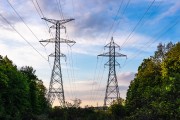
Another key to doubling electricity supply is to build more grid connections across provinces and territories. While there’s no “one size fits all” approach, every new connection will require effective negotiations between the relevant provinces and territories, as well as contributions from the federal government on funding, regulatory assistance, and convening to address areas of friction or complexity.
While there is a lot to do, there is momentum. In March of this year, Ontario began work to connect and strengthen Canada’s electricity system by announcing a new national energy corridor along with British Columbia, Alberta, Saskatchewan, Manitoba, New Brunswick, Yukon, Prince Edward Island, Nova Scotia and the Northwest Territories. This sparked a follow-up announcement in June when the federal government confirmed they would prioritize financial and regulatory support for five new interties: the B.C. –Yukon grid, Alberta–B.C., Alberta–Saskatchewan, Saskatchewan–Manitoba, and a Prince Edward Island–New Brunswick Interconnection expansion project. This foundation was further solidified this summer when the First Ministers committed to further building out electricity infrastructure between provinces.
Connecting east-west instead of just north-south
Canada currently trades more electricity with the United States than it does between provinces. While not without complexity, five new inter-provincial interties are exactly the kind of projects Canada needs to reach full electrification and reduce dependency on the currently volatile United States. As we continue to shift our energy system toward low-cost, clean electricity supply and intra-provincial use, new jobs, investments and affordability benefits will follow.
Big financial and policy challenges remain
To put the magnitude of the electrification challenge into context, let’s talk numbers. Expanding and modernizing Canada’s electricity systems is forecast to cost about $1 trillion by 2050, or roughly $50 billion a year — a doubling of the investment pace of the last 25 years. The federal government has committed to at least this amount in its new Budget 2026, but this level of funding is required every year, not spread over a decade. On the policy front, Canada’s federated model means each province and territory manages their own electricity systems. A variety of elected leaders will have to embrace the vision to double supply by scaling up renewable power options, connecting their grids across boundaries and creating attractive investment environments to clean growth.
Canada’s challenge is less about whether electrification is technically possible than whether governments, regulators, utilities, Indigenous partners and investors can finance, approve and build the required infrastructure quickly enough to reach our goals. This won’t be a linear pathway. This lift will emerge from each region leveraging its strengths and adjusting policies to ensure that hydro power is expanded, wind, solar and battery storage can compete in energy procurement processes, and where applicable and financially feasible, nuclear power can play its part. Canadians have long been seen as innovators and these challenges are well-suited to what we’re capable of doing and must do to achieve this vision and build energy sovereignty.
How will we measure success?
Doubling the supply of electricity has many aspects, but the underlying goal is that as electricity generation increases, our overall clean energy percentage goes up even more. We can celebrate progress when:
- Effective provincial interties are in place across the country
- Renewables are scaled up in every jurisdiction
- Coal is phased out entirely
- Large-scale projects use significant renewables for their energy needs
Where to from here?
Doubling our electricity supply is clearly a massive undertaking and many questions remain, including:
- What role can or should nuclear play in this transition?
- How can we reach net zero if Alberta continues to promote natural gas while constraining renewable energy growth?
- How do we scale up investment while protecting affordability?
- How can the federal, provincial and territorial governments work together on common goals?
- How fast does this system buildout need to happen to meet rapidly growing electricity demand from transportation and building electrification, as well as new industries like data centres?
It’s time to kickstart this conversation and get to work on this truly nation-building project.
Policy development that could support the doubling of electricity supply
- Provincial and federal leaders must continue working together to build new interties and remove regulatory barriers to electricity collaboration. A national framework for transmission is required.
- Provincial and federal governments must shorten timelines and red tape for infrastructure approvals.
- Offer loan guarantees, revenue sharing and favourable procurement processes for Indigenous participation and project partnerships.
- Renewable energy project development must not be structurally disadvantaged through restrictive policies that prioritize fossil fuel-based power. Provinces must create attractive investment environments for renewable energy projects to move forward, which could include tax credits, loan guarantees along with competitive/streamlined procurement processes to unlock investment potential for renewable power.
- Coal should not be used for future energy supply and policies need to be put in place to limit its use today and put a hard deadline on eliminating it in the future.