

Canada has a vision to create a fully electrified, net-zero economy by 2050. This three-part blog series "Electric Ambition" explores how we can double electrification, supply and energy efficiency/productivity.
At the heart of Canada’s national strategy for an electrified economy is a commitment to doubling our electricity supply by 2050 and meet growing demand. This ambitious goal is an effort to enhance energy security and make life more affordable for Canadian households and businesses.
But energy supply is only part of the equation. We must also double our energy productivity.
What is energy productivity? Most people have heard of energy efficiency: using less energy to deliver the same output. Energy productivity takes efficiency a step further by increasing economic output or value without changing the amount of energy used, making full use of existing resources. This comes in part from increasing energy efficiency, but also by reducing energy losses in the utility system and implementing demand flexibility—shifting when energy is used so we can do more with grid assets (infrastructure that supports an electricity grid, whether it be a power line or a solar panel).
Increasing energy productivity also means growing the economic and social value of each unit of energy used. For example, using energy productively allows Canadians to benefit from improved energy security and be prepared for a rapidly changing and increasingly volatile future. It would also allow us to spend less on energy and direct more resources towards other societal needs.
Buildings as productive grid infrastructure
Buildings—the places where we live, work, and park—are the logical places to start. Residential, commercial and institutional buildings account for 30% of energy use across the economy; over 70% of existing buildings will be in use in 2050. And we already have the equipment, design and construction know-how and operating practices to significantly improve energy use in buildings.
The Pembina Institute’s research and convening platform, the Reframed Initiative, shows that early and deeper retrofit action is increasingly needed to mitigate risk and capture an array of benefits. For building owners and occupants, this means lower utility and operating costs, mitigate rising insurance and financing costs, reduce impact of hotter summers and extreme weather events, increase comfort brings fewer tenant complaints and less risk of reputational damage as well as better management of deferred maintenance backlogs. For our communities, this means local economic development and jobs, greater energy reliability and security as wasted energy is made available for high value use, and lower emissions.
Making full use of the energy going into buildings
Buildings are the end point for much of the energy we use, making them a logical starting point to reconsider how we use the energy that goes into them. We first need to reduce and optimize building energy use, and we can start by increasing focus on integrated long-term building plans, where retrofits can be conducted all at once or overtime. Building owners can introduce high impact but less invasive tools like controls and load management for quick energy-saving wins that deliver immediate value. They can also prioritize the building envelopes (the barrier between a building’s interior and exterior) to reduce energy demands and use the replacement of major equipment, either planned in the building's long-term plans, at the equipment's end of useful life, or as a result of unforeseen breakdowns.
The federal government also has an important role to play: it can set building codes and equipment standards, support retrofit planning and phased implementation, and enable financing and insurance to recognize the full value of retrofits.
Buildings as electricity grid infrastructure
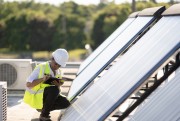
Beyond reducing energy use by the buildings, on-site electricity generation, such as solar panels and battery energy storage systems, and tools to manage when electricity is used, such as automating controls to manage space and water heating/cooling or managed electric vehicle charging, make buildings a component of the energy system. This can help mitigate peak demands and reduce the need for costly centralized grid resources. This type of local power generation also keeps both people and dollars in their communities.
On top of efficiency measures, technologies like managed electric vehicle charging and smart controls turn buildings into scalable tools that let utilities balance loads effectively, shifting demand away from peak hours and fully utilizing any saved energy to power other system and customer needs. This means utilities can serve more customers with the same amount of energy supply, and they can build fewer power plants.
Much of the energy used in our buildings goes to space and water heating, typically using conventional fuels like natural gas, oil, or propane. But we can now use heat pumps for both heating and cooling, using far less energy than conventional systems while making buildings more comfortable, more affordable to operate and more resilient during extreme weather. Efficient electric systems, such as high-performance motors, lighting and building system controls, can also reduce energy waste on average by 15 to 30%. For buildings with significant deferred maintenance, such systems can reduce energy waste by upwards of 75%.
How will we measure success?
We need to recognize that building demand for electricity is as important as building electricity supply. The following proposals would be demonstrations of real progress:
- A national retrofit program is established for multi-family residential buildings funded by governments, with clear responsibilities at each level of government, timelines for creating building plans and implementation phases, and a strategy for public/private capital.
- Full adoption of the upper tiers of both the National Building Code for single family residential buildings and National Energy Code for Buildings for commercial and multifamily building, along with advances in energy efficient equipment standards for emerging technologies.
- Build a durable retrofit market. Value-driven retrofit market can attract private and institutional capital by monetizing the full range of benefits of better-performing building deliver.
Where to from here?: Demand is as important as supply
Doubling energy efficiency in buildings and the related energy productivity for the energy system is a massive undertaking, with many questions remaining, including:
- How can we balance the up-front costs of retrofits with the long-term cost savings?
- How can we consistently value, and monetize, the non-energy benefits including protection from extreme weather and health?
- How can federal, provincial and local governments work together towards common goals?
- How can the construction industry—from manufacturing and supply chains, to design/build and ongoing operations and maintenance—effectively coordinate retrofits that integrate energy efficiency, productivity and electrification?
Policies and programs that would support the doubling of energy productivity
- Scale retrofits in multi-unit residential buildings by creating a national retrofit program that increases the number of whole-building retrofits that deliver affordable and resilient housing, electrification, and grid flexibility.
- Set a floor for building and equipment performance by updating appliance and equipment standards, modernizing building codes, and linking federal investments in housing to the highest energy efficiency standards.
- Recognize retrofit value in finance and insurance through developing a standardized retrofit value assessment framework for quantifying and disclosing the non-energy benefits of retrofits. Require its use in federally regulated lending, mortgage insurance, and climate-risk disclosure.
- Reform rates and DSM programs. Compensate verified energy savings, peak reduction, flexibility, availability and grid services
- Treat buildings as an electrification resource by encouraging heat pump adoption, greater uptake of on-site resources like EV charging, distributed energy assets, and energy storage.