Electricity demand is rising fast, and business-as-usual approaches won't cut it. The customer side of the electricity system can play a critical part by managing peak demand, generating small-scale energy, and improving reliability. Our Customer Energy Solutions program works with utilities and governments to incorporate these critical resources — ensuring Canada’s electricity system is resilient, affordable and ready for growth.
Customer Energy Solutions
Advancing policies and systems that unlock the full value of demand-side energy resources.
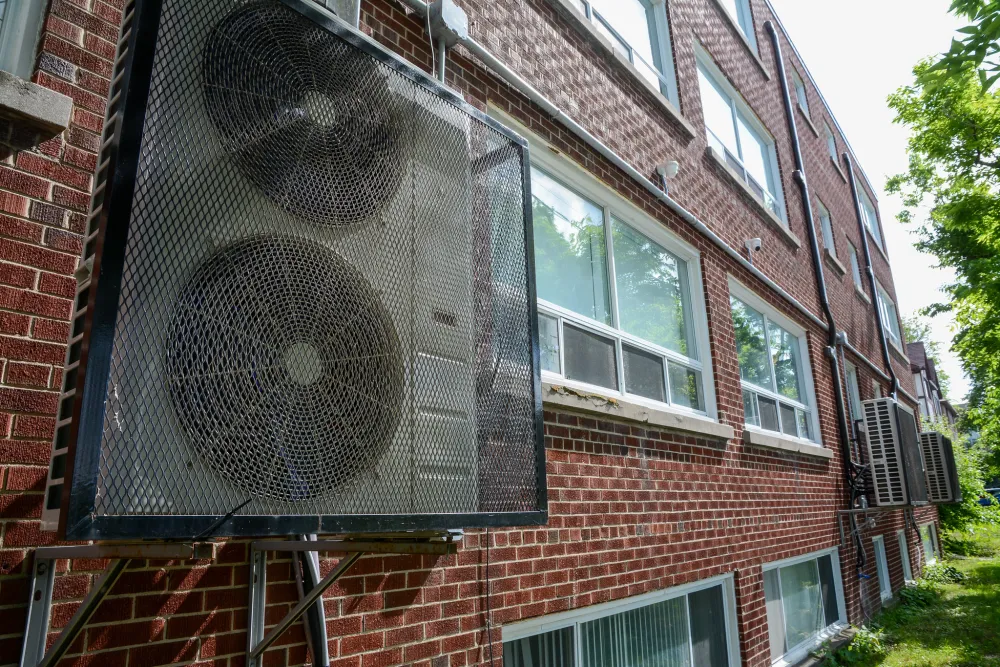
How customer-side actions benefit the electricity system
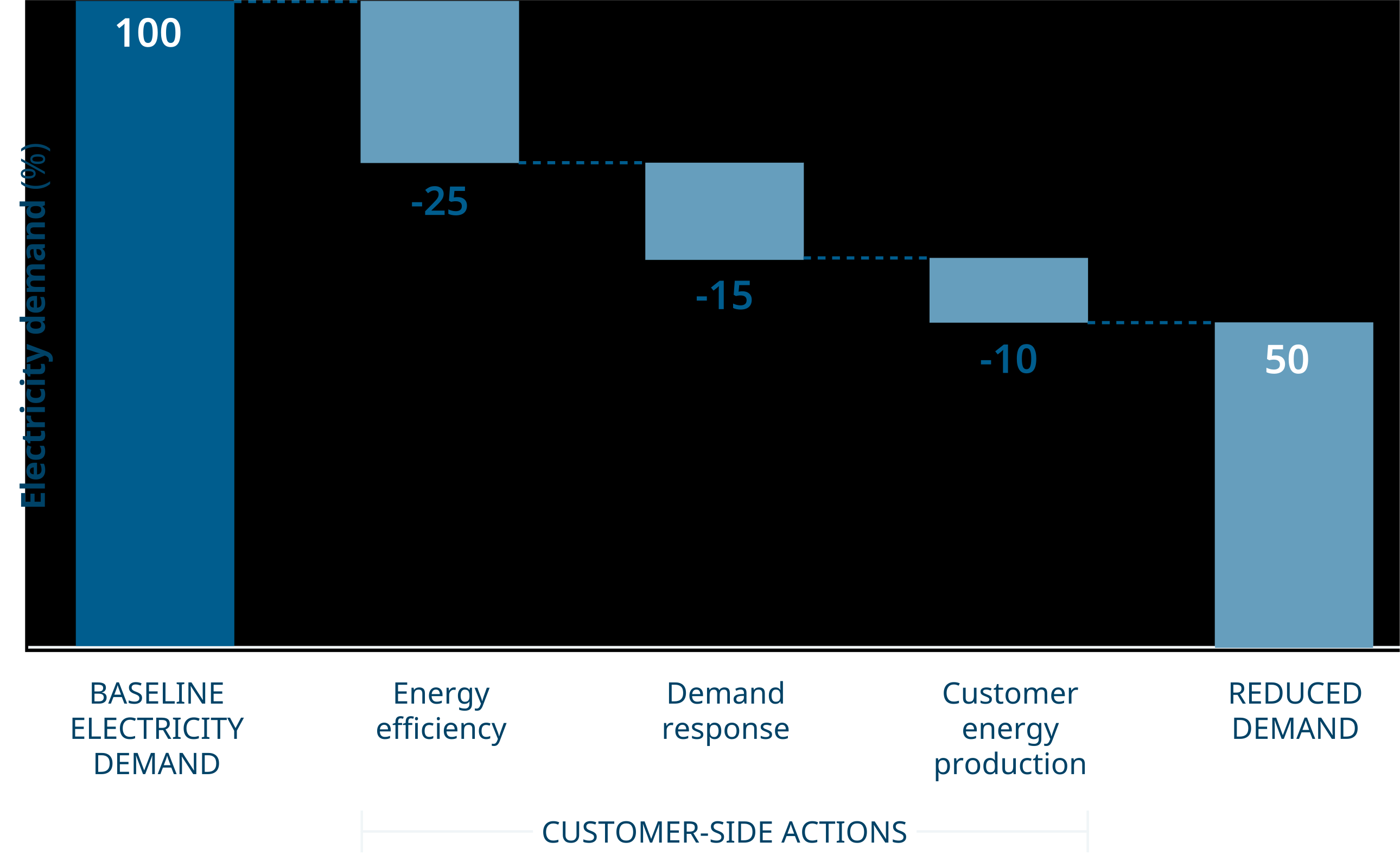
Reducing and managing demand on the customer side of the electricity system, and allowing energy production (e.g. through rooftop solar), should be treated as core components of the electricity system.
Key numbers
$4
in direct utility system benefits per $1 invested in demand-side management programs.
$11 billion
in potential savings to Alberta utility customers from energy efficiency programs.
10%
potential cut in B.C.’s peak electricity demand, thanks to EV batteries, heat pumps and smart thermostats.
What is Customer Energy Solutions?
Watch the videoResearch & Analysis






What’s driving the challenge?
Canadians are electrifying their homes, vehicles and industries, for many reasons — from cost and reliability, to health and climate benefits.
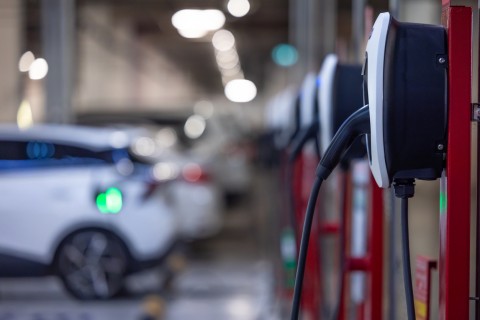
New energy demand is coming from sources like data centres supporting AI, cloud computing and digital services, electrification of heating and cooling systems, and EV adoption. Steel, cement and other heavy industries are transitioning from fossil fuels to low-carbon electricity, driving significant new demand on Canada’s electricity system. As electrification accelerates across homes, transportation, and industry, electricity use is expected to double over the next two decades, while peak demand is projected to rise by 19-35 per cent in both summer and winter over the next 10 years.
To successfully serve this growth, Canada will need all available electricity resources. But our electricity systems weren't designed to manage this growth through local demand-side solutions — particularly in Alberta, Ontario and British Columbia.
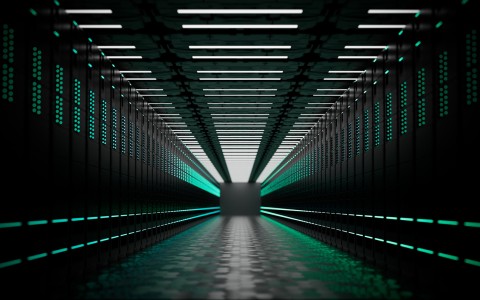
What are demand-side resources?
Demand-side resources are the energy choices, technologies and actions on the customer-side of the grid. They can help reduce, shift, generate or manage electricity use, which can be planned for and used by the local utility system. Demand-side resources take many forms:
- Managing the energy demand of buildings, businesses and industries, to flatten the peaks and troughs of energy use.
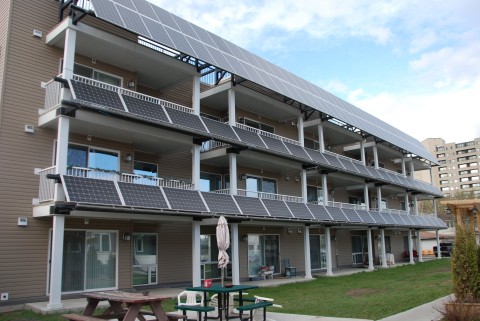
- Encouraging customers to generate their own electricity, from small rooftop solar to larger systems that power industrial sites.
- Integrating local battery storage from EVs and buildings onto the grid as a backup resource.
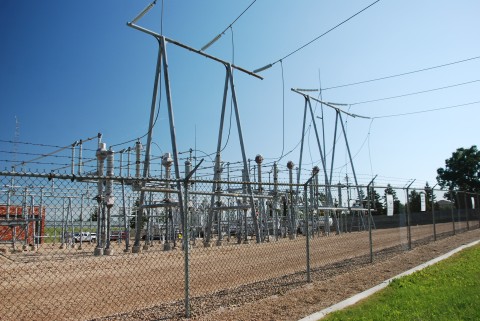
These solutions help reduce peak loads on the electricity system, strengthen grid resilience, and allow utilities to defer expensive infrastructure investments, while lowering costs.
What do we work on?
Our Customer Energy Solutions program advances research-based policy and regulatory reforms that modernize utility frameworks and business models to support Canada’s evolving electricity system. We work with governments, regulators and utilities to ensure demand-side resources are planned, valued and integrated as core components of the electricity system.
This work supports the adoption and integration of:
- Energy efficiency, helping reduce overall energy use — the most cost-effective way to meet growing needs.
- Demand response and load flexibility, enabling buildings, businesses, and industries to shift energy use and optimize grid reliability.
- Distributed energy resources, such as rooftop solar and other on-site generation, which provide local, reliable energy.
- Energy storage and electric vehicles, offering flexibility and resilience at the local grid level.
Why efficiency first?
The most affordable and reliable electricity is the electricity you don’t need to buy. Energy efficiency should always be the first step because improving efficiency provides the same light, heating, cooling and processing power, while freeing up previously wasted energy for other uses.
Managing when and how electricity is used further reduces peak demand and improves grid performance.
Once these measures are optimized, local electricity generation and energy storage can be integrated for additional grid capacity, flexibility and resilience.

What are the benefits?
For power utilities, demand-side solutions reduce peak demand, optimize system performance and defer costly infrastructure investments. This can improve reliability, lower system costs and let utilities operate more efficiently, while meeting growing electricity demand.
For governments, enabling demand-side solutions through supportive policy and regulatory frameworks helps create the market conditions needed to attract private investment, strengthen local electricity systems and ensure equitable access to energy system benefits. These solutions enhance energy security by reducing reliance on volatile global supply chains and fossil fuel markets, and support national economic strength.
For Canadians, demand-side solutions deliver affordability, reliability and energy security. They reduce energy costs, improve reliability, and strengthen the electricity system. They create high-quality local jobs and drive local economic activity — generating up to $7 in GDP for every $1 invested in energy efficiency. Demand-side solutions also support clean energy goals and improve local air quality.

Demand as a Utility Resource
In this report, we assessed and compared DSM frameworks across four jurisdictions — Wisconsin, Ontario, California and Texas — and examined Alberta as a baseline case, as it currently has no formal DSM programs.
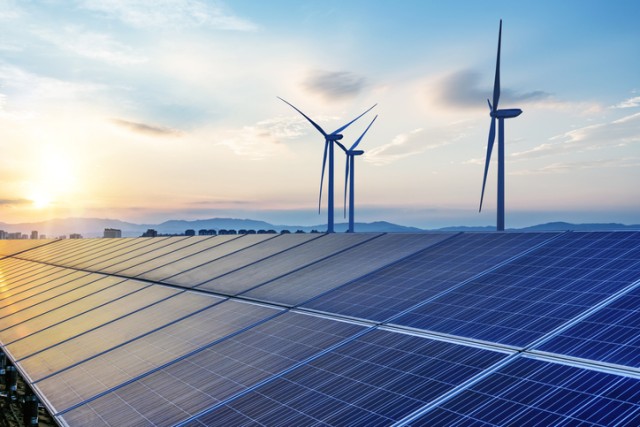
The clean energy transition needs a rulebook
The next phase of the energy transition is not just about adding more clean power to the grid. It is also about changing the rules so homes, buildings, businesses and communities can help the grid work better.

“
The most powerful energy resources are already in our homes, buildings, and businesses, waiting to be fully valued. By modernizing the rules of the system, demand-side solutions transform efficiency and flexibility into foundational assets for a more affordable, reliable and resilient electricity grid.
Kari Hyde
Director, Customer Energy Solutions
Our Customer Energy Experts



Contact our Customer Energy Solutions team
Program Director
Kari Hyde
c: 587-434-4333 (Mountain Time)
e: karih@pembina.org
Media Contact
Sarah Snowdon (Eastern Time)
c: 647-797-9329 ext. 121
e: sarahs@pembina.org
Get our Pembina Perspectives
Pembina Perspectives provides thoughtful, evidence-based research and analysis to support action on climate — in your inbox every two weeks.
We endeavour to protect your confidentiality; read our full privacy policy.