

Toronto — KEVIN LOCKHART, director of the Buildings program at the Pembina Institute, and KARI HYDE, director of Customer Energy Solutions, made the following statement in response to the release of Power Smart 2.0, the largest conservation investment in BC Hydro’s history.
"B.C.’s new Power Smart 2.0 plan is a strong step toward the kind of practical, affordability-focused electricity investment Canada needs more of. It is a clear signal that demand-side resources must play a central role in the province’s energy future.
"As electricity demand grows, the cheapest and cleanest power is still the energy we do not need to generate, transmit or distribute. Power Smart 2.0 goes beyond treating energy efficiency and conservation as individual customer programs, instead positioning them as core system resources. With an expected 800 MW in capacity savings and 2,200 GWh in annual energy savings by 2030 the need for this shift towards demand-side resources is clear.
"Electrifying buildings, transportation and industry will significantly increase demand. To fully capture the potential of demand-side resources BC Hydro’s $1-billion investment will require going beyond incremental efficiency improvements. While energy efficiency remains foundational, customer-side resources also include demand response, smart controls, distributed energy resources (DERs), storage, electric vehicle (EV) charging and other flexible loads that can help manage when and how electricity is used. To unlock their full value, utilities need programs, data systems, compensation mechanisms and planning frameworks that allow these resources to be coordinated and relied on as part of the electricity system.
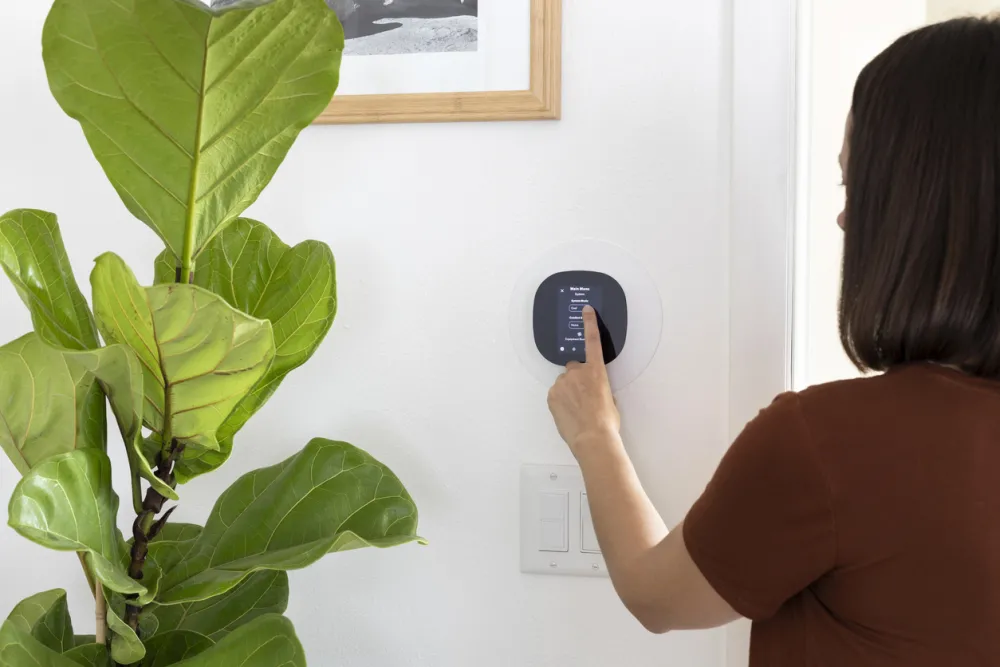
"Power Smart 2.0 includes important tools such as free smart thermostats, customer rewards, income-qualified supports, instant rebates, and expanded commercial and industrial programming. The priority now must be to ensure these measures drive deep, sustained savings, reach hard-to-serve customers, and create a foundation for demand response and distributed energy resources to help manage future grid needs.
"The projected $1.4 billion in GDP growth and up to 3,500 jobs annually underscore the broader economic opportunity. Realizing this potential will depend on a delivery system, including skilled trades, contractors and program partners, that can scale quickly and consistently across the province.
"The broader lesson is clear: energy efficiency is infrastructure — but meeting the moment will require ambition that matches the scale of the challenge, including targets that reflect full technical potential, continuous program improvement, and alignment with electrification across all sectors. Power Smart 2.0 is meaningful progress, but its success will ultimately depend on whether it delivers the depth and scale of savings needed to support an affordable, reliable and electrified future."
Contact
Sarah Snowdon
Senior Comms Lead, Pembina Institute
647-797-9329