
EDMONTON — Tim Weis, senior director of the Pembina Institute’s Industrial Decarbonization program, made the following statement in response to the National Energy Corridor agreement announcement.
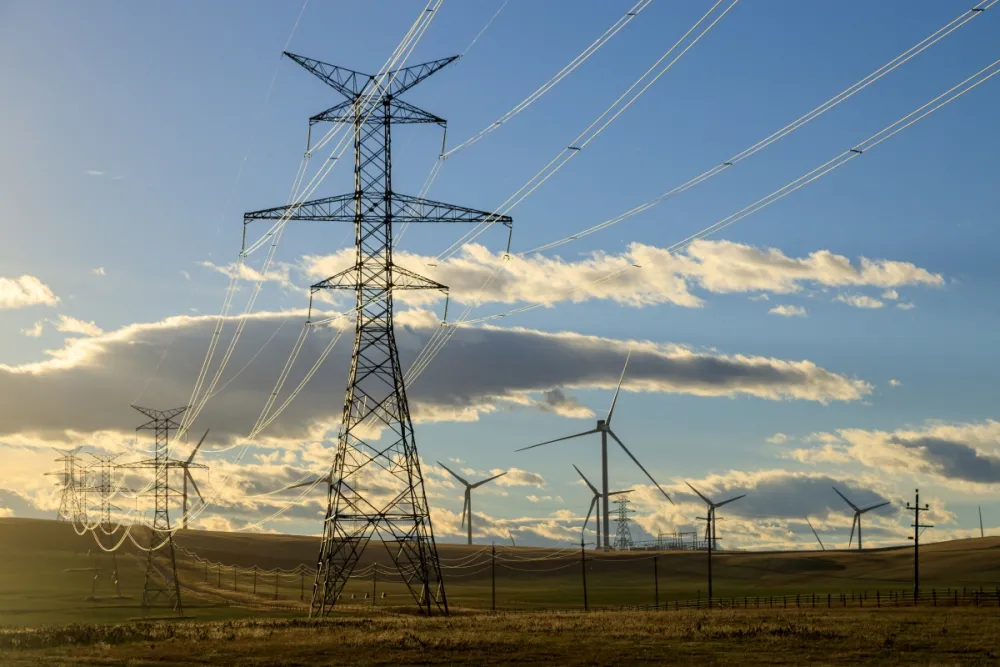
“This initiative to work together on a national energy grid corridor is exactly the kind of nation-building project our country needs to strengthen cross-Canada connections, boost the reliability of the grid, and prepare ourselves for an increasingly electrified economy.
“Electricity is a provincial jurisdiction which has made building this type of infrastructure challenging, so it’s exciting to see this level of cooperation. We applaud Ontario and the other provinces and territories for leading this effort and demonstrating to the federal government the priority they place on this issue.
“We’re also pleased to see an immediate stated intent to partner with Indigenous communities on this effort. There is no nation-building project without meaningful participation of Rightsholders and they must fully share the benefits.
“We’ve underinvested in transmission in Canada, which means we’ve been missing out on opportunities to fully take advantage of each province’s strengths. For example, provinces like B.C., Manitoba and Quebec have significant hydropower resources and are natural batteries for Alberta, Saskatchewan, Ontario, and the Atlantic provinces which have abundant low-cost wind and solar resources. Bolstering transmission between these provinces can provide major reliability benefits, far exceeding the value of operational cost savings alone.
“Electricity demand will rise significantly in the coming decades thanks to the electrification of transportation and industry, as well as emerging sectors, such as data centres. We need to optimize the grid so we can offer abundant, affordable energy to meet those demands while enabling Canada to reduce its emissions.
“We trust that the federal Electricity Strategy, expected shortly, will take this effort to the next level by providing financial and policy support.”
[30]
Key facts
- Electricity interconnections benefit the affordability, reliability and energy security of an electricity system by enabling electricity to be shared more effectively.
- Canada currently has much more electricity interconnection capacity with the U.S. (27 gigawatts) than connections between provinces and territories (17 GW).
- Each Canadian province and territory manages its own electricity system, so interconnections between provinces require specific agreements around cost and benefit allocations. This has been one of the major barriers to building more interconnections previously.
- A 2018 Natural Resources Canada study found increased intertie capacity between complementary grids (AB-BC and MB-SK) were a win-win for reducing both costs and carbon emissions.
- A coalition of environmental groups, including the Pembina Institute, called for a $32-billion investment in Canadian electricity grids by the federal government as part of Budget 2025.
Contact
Hanneke Brooymans
Senior communications lead
587-336-4396