Albertans are at risk of being left an increasing bill for obligations taken on by oil and gas companies: for cleaning up their production sites and for rent and taxes owed. Companies are legally required to close and clean up oil and gas wells when they are done producing, but weak rules have allowed too many operators to delay the work, avoid the cost, or walk away entirely. The result is a growing problem: old, and sometimes leaking oil and gas wells persist on the landscape for decades, affecting landowners, municipalities, and taxpayers. Without targeted policy, the bill to clean up those wells risks falling on Albertans. The numbers are already large. Alberta’s regulator estimates conventional oil and gas closure liabilities at $36.6 billion, while other estimates suggest the true cost could be far higher. On top of that, Albertans are already covering companies’ bills to landowners and municipalities. Since 2014, the Government of Alberta has paid out approximately $145 million in unpaid oil and gas rent to landowners, including more than $30 million in 2024 alone. Oil and gas companies’ total unpaid municipal taxes add up to more than $250 million. As the energy transition accelerates, increasingly many oil and gas companies are likely to become insolvent, and the risk that cleanup liabilities and financial obligations will be transferred to Albertan taxpayers will grow. The fix is straightforward: make polluters pay the debts they owe as well as the real costs of cleanup, and make them pay in a reasonable time before these become a burden on Albertans and Alberta taxpayers.
Alberta needs:
- firm deadlines for closing old wells, backed with enforcement
- transparent public estimates of cleanup costs
- enough money set aside up front to cover closure even if the company goes bankrupt
- stronger enforcement for unpaid bills
- tougher rules to stop high-risk companies from taking on more wells they may never clean up or pay for.
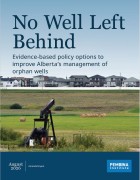
These policy solutions are explored in detail in the policy paper No Well Left Behind.