CALGARY — The Alberta government is putting vast amounts of investment and job creation at risk as its voluntary April 1 deadline arrives without a deal with the federal government on any of the energy and climate policies that were outlined in the November 2025 memorandum of understanding (MOU).
Alberta’s industrial carbon pricing system, known as TIER, is widely acknowledged to be inadequate, with its credits trading at effective prices far too low to support decarbonization projects in oil and gas, cement, hydrogen, and other industrial sectors. Alberta’s negotiations with Ottawa, kicked off by November’s MOU, are intended to ramp up the effective price to $130; a price widely agreed to be crucial to unlocking these investments. The MOU also explicitly requires progress on the Pathways oilsands carbon-capture project before a new export pipeline can proceed.
“Alberta kicking the can down the road on these policies, especially carbon pricing, is self-defeating,” said Chris Severson-Baker, executive director at the Pembina Institute. “Delaying repairs to the TIER system, clarity on the future of electricity rules, and updates to methane regulations leaves tens of billions of dollars of industrial investment hanging in the balance.
“There’s still scope to reach a real agreement on these policies – doing so would set the stage to build out a high-growth low-carbon economy across Western Canada.
“The global energy transition is accelerating, driven by investment in clean power and technology and severe threats to oil and gas supply chains,” said Severson-Baker. “I urge the Premier and Prime Minister to seize this opportunity on carbon pricing, clean electricity, and real methane reductions to secure Canada’s position as a climate-competitive job creator and investment destination.”
The Pembina Institute has itemized $40 billion worth of industrial projects that depend on successful outcomes from the MOU talks.
To summarize progress to date on the key commitments within the MOU:
- Industrial carbon pricing: No agreement on how quickly to reach the already agreed upon minimum effective carbon price of $130.
- Methane: Last week, Alberta released new methane regulations that are clearly insufficient to meet the agreement-in-principle on methane that Alberta and Ottawa had signed two days earlier. Methane policy therefore remains unresolved.
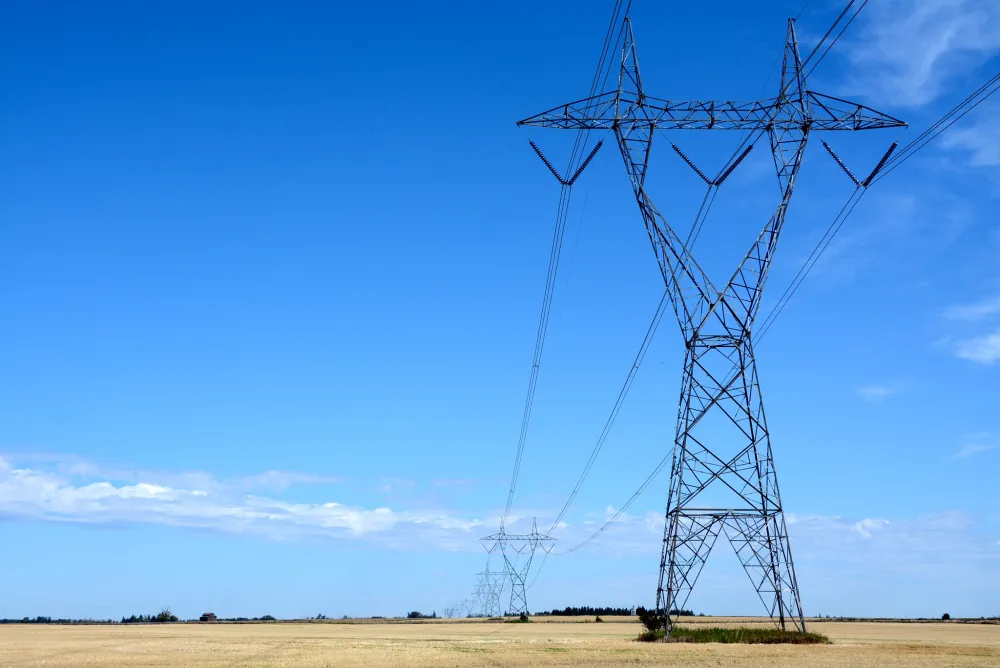
- Clean electricity: Alberta cannot build a low-cost, reliable, clean electricity system without removing barriers to the construction of lots more wind and solar in the near term. This could include, for example, more transmission lines in Southern Alberta – but there is still no sign of an agreement on how Alberta will proceed on its electricity plans, in the absence of the federal Clean Electricity Regulations.
- Pathways oilsands carbon capture proposal: No agreement to proceed. This project depends on a strong industrial carbon pricing agreement to underpin its business case.
- New oil export pipeline: No apparent support from private sector investors and no agreement between industry, Alberta, and Ottawa. As laid out in the MOU, this project must not be funded by taxpayers and also cannot move forward in the absence of Pathways CCS.
[30]
Contact
Benjamin Alldritt
Senior Communications Lead, Oil & Gas, Pembina Institute
587-328-1955