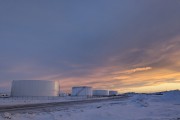
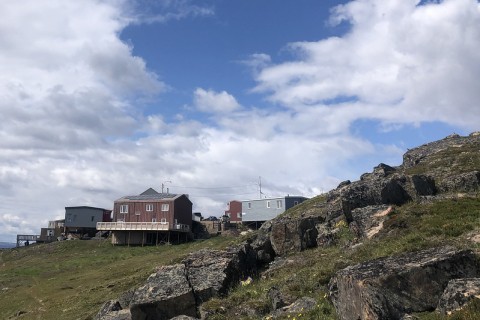
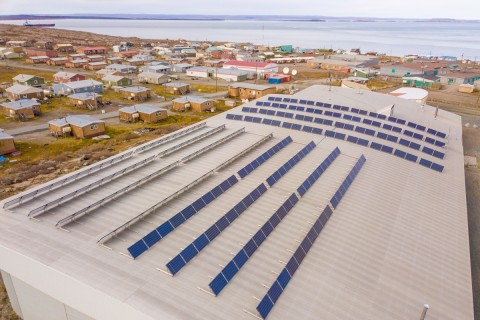
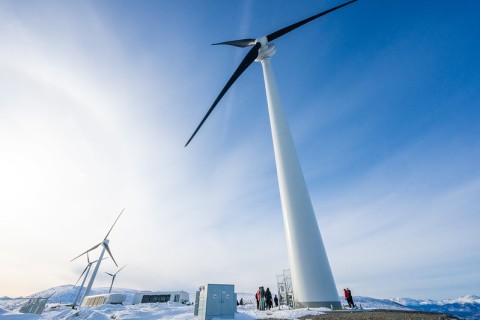
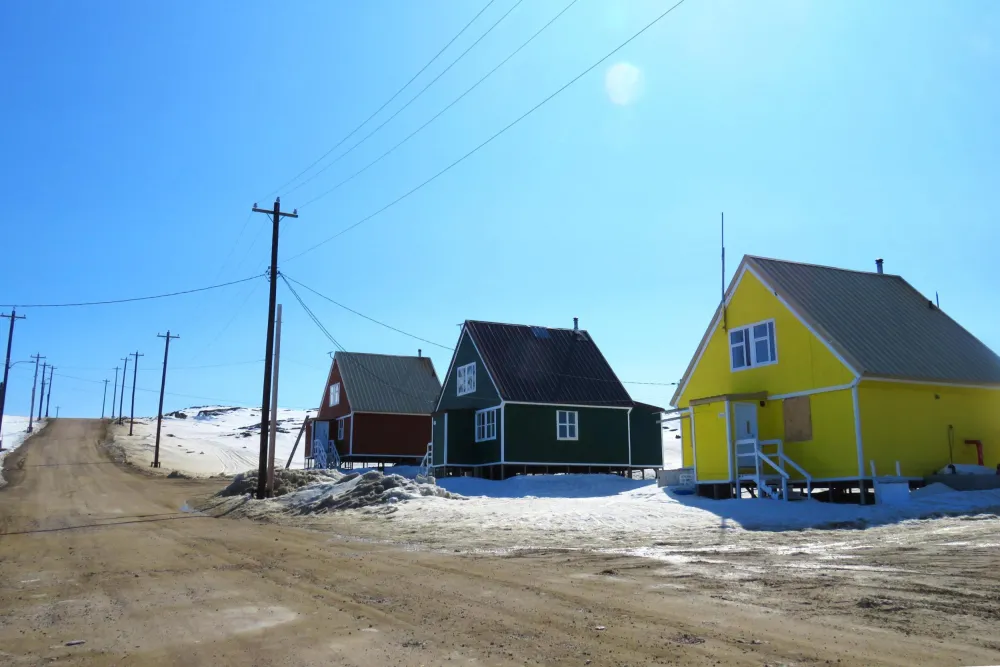
Canada is home to 210 remote communities located in nearly every province and territory in the country. These communities rely heavily on diesel fuel for heat and electricity.
Our research tracks diesel reduction in these communities and provides governments, policy makers, and media with credible information about the role clean energy is playing to address this long-standing challenge.
Diesel Reduction Progress
Canada’s most comprehensive analysis on diesel reduction and clean energy development in remote communities.
Our most recent analysis
Remote communities are in the midst of their most significant energy transition since the introduction of diesel generators in the mid-twentieth century.
Our most recent analysis, published in 2026, provides an overview of the past decade of clean energy deployment and diesel reduction and highlights the impact of policy and local, Indigenous leadership since 2016.
Read the reportArticles and research
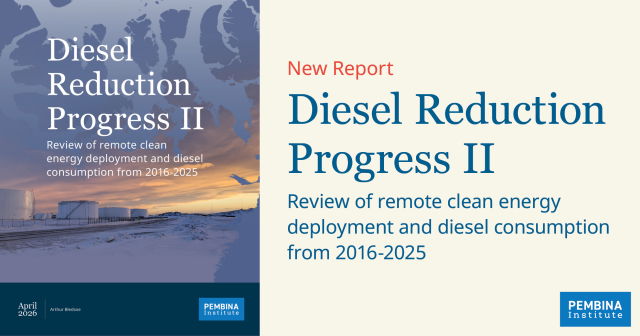
Diesel Reduction Progress II
A cumulative review of remote clean energy deployment and diesel consumption from 2016-2025More remote communities than ever being powered by clean energy
Report finds renewables and grid connections are cutting diesel use, though rising population growth and energy demand pose challenges
We’re witnessing the most significant energy transition in remote communities since the 1950s
Indigenous and local leaders are behind this remarkable progress
Grid connection is making a big difference on diesel
Here’s what we’re learning as more remote communities connect to provincial grids
Less diesel. More community power.
What the data reveals about a decade of clean energy leadership in remote CanadaOur research
The Pembina Institute is one of few organizations focused on the clean energy transition in remote and northern communities. Diesel reduction progress is a flagship and ongoing research effort that supports this work.
Through this research effort, we gather cumulative data on diesel reduction and clean energy development to better understand how energy is evolving at the local level. We have released two volumes of this work focused on clean energy progress since 2015.
Reports:
Our impact
Diesel Reduction Progress is Canada’s most comprehensive body of research on diesel reduction efforts in remote communities. It provides unique and credible analysis at a nation-wide scale and is designed to tell the story of evolving remote energy systems.
We do this work by tracking the impact and nature of government policy and local leadership. This has helped spur action, reform, and necessary discussion and focus on the part of communities, governments, and industry.
Our approach
Our research draws on publicly available data provided by a range of academic, government, and industry sources.
We also work in partnership with communities, governments, and other credible sources to provide a comprehensive analysis on remote energy systems.
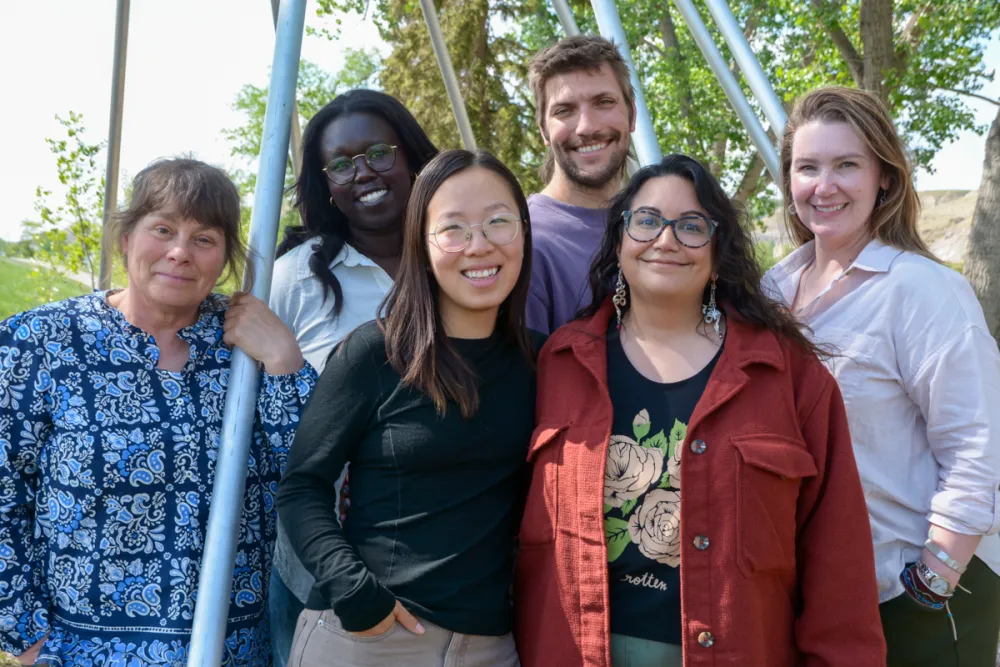
Contact our Renewables in Remote Communities team
Program Director
Lynne Couves
c: 403-483-3850
e: lynnec@pembina.org
Media Contact
Bhan Gatkuoth (Mountain Time)
c: 587-742-0818
e: bhang@pembina.org
Get our Pembina Perspectives
Pembina Perspectives provides thoughtful, evidence-based research and analysis to support action on climate — in your inbox every two weeks.
We endeavour to protect your confidentiality; read our full privacy policy.