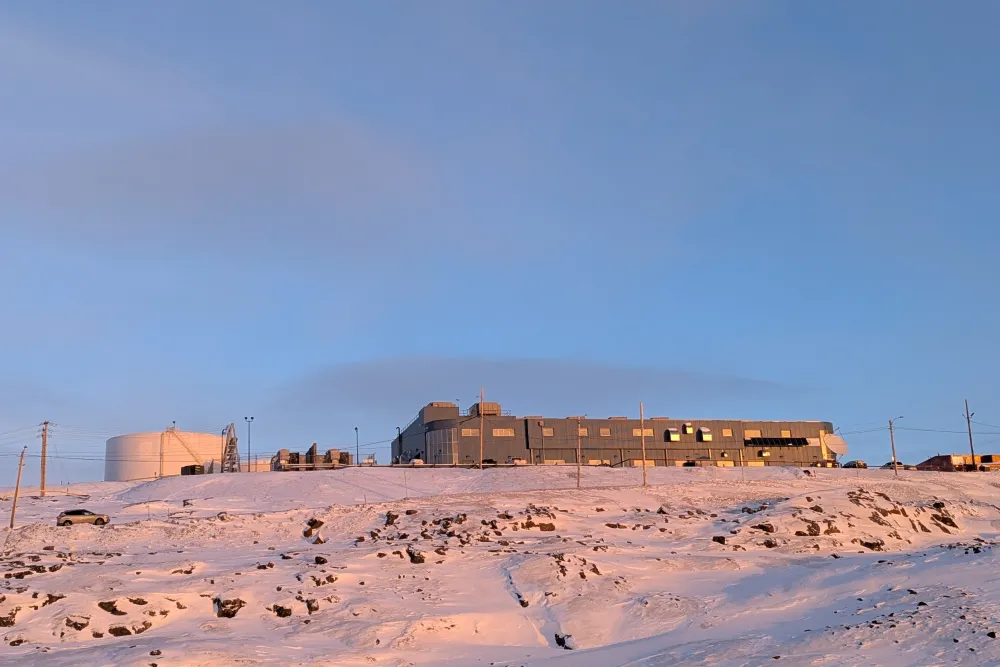
There are more than 210 remote communities in Canada, the majority of which located in the Yukon, Northwest Territories, Nunavut, and Quebec. Many of these communities are largely reliant on diesel fuel for heat and electricity – a system that comes at a very high social, economic, and environmental cost for consumers and governments alike.
Our recent analysis shows that over the past decade, local and Indigenous leadership has driven remarkable change in these areas through the introduction of solar, wind, and hydro energy systems.
But, despite this remarkable progress, we’re also watching an already complex challenge evolve before our eyes. Not only are remote energy systems seeing a rise in renewables, they’re also seeing a rise in demand.
Remote communities are growing
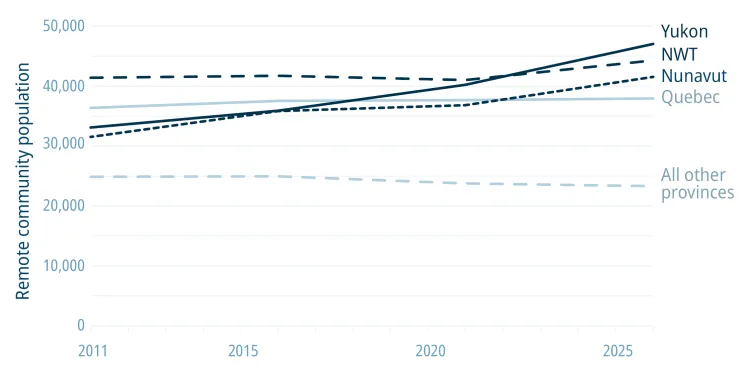
Northern communities make up the bulk of Canada’s remote community population. Since 2011, these communities have steadily grown in size, and that trend is only expected to continue.
Despite remarkable growth in clean energy across the North, diesel consumption is rising
Over the past decade, there’s been significant progress on diesel reduction (specifically for electricity use) due to two main factors: more communities are building renewable energy infrastructure and more communities are being connected to provincial grids. Together, this has contributed to an annual reduction of 29 million litres of diesel. This represents some of the highest rates of diesel reduction since the 1950s, when diesel generators were first installed in remote communities.
While there's been a lot of progress, diesel is still the major source of energy for electricity and heat in remote communities. In fact, over 260 million litres of diesel burned for electricity generation each year.
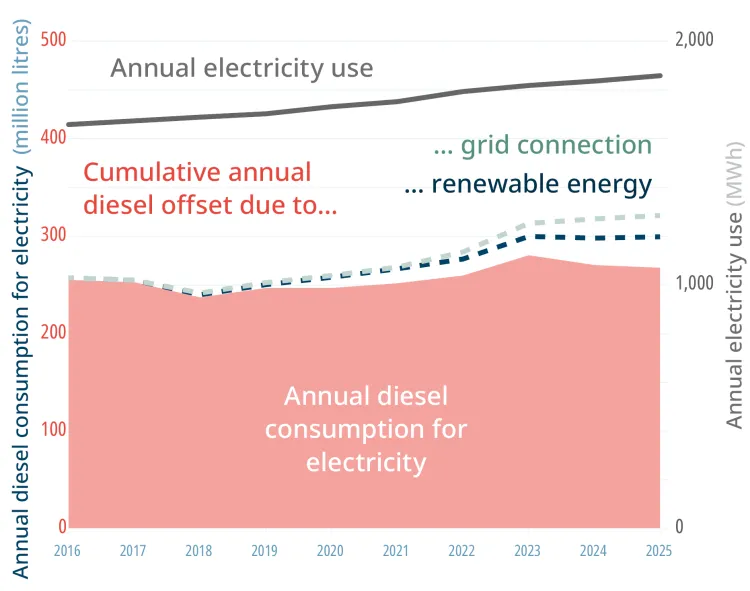
Together, this information tells us that as remote communities grow, the need for clean, reliable, and affordable energy will only increase. And while the gains we’ve seen over the past decade are remarkable and important, we need real policy solutions to keep momentum going.
What can we do about this issue?
The past decade of progress has come with invaluable lessons about how to bring renewable energy to remote areas in Canada. At the heart of this progress is strong federal policy and sector-wide collaboration with local and Indigenous leadership.
Starting in 2016, the federal government began funding critical work like capacity building and project development. These efforts have enabled the development of hundreds of impactful community-led projects that have supported diesel reduction, job creation, and housing improvements in communities across Canada.
But, many of these successful federal initiatives – including Northern REACHE, IODI, and CERRC – are at risk of sunsetting (meaning once their funding runs out, they won’t be renewed). The loss of these programs represents a real risk, especially now as remote communities grow.
One of the most important actions the government can take to contend with rising demand is to continue investing in what’s already working – particularly, community-led clean energy action.