Canada is home to more than 210 remote communities across nearly every province and territory, many located in the North (the Yukon, Northwest Territories, Nunavut, and northern Quebec). Since the 1950s, these communities – in contrast to their urban and grid-connected counterparts – have been largely dependent on the same diesel energy systems for heat and electricity.
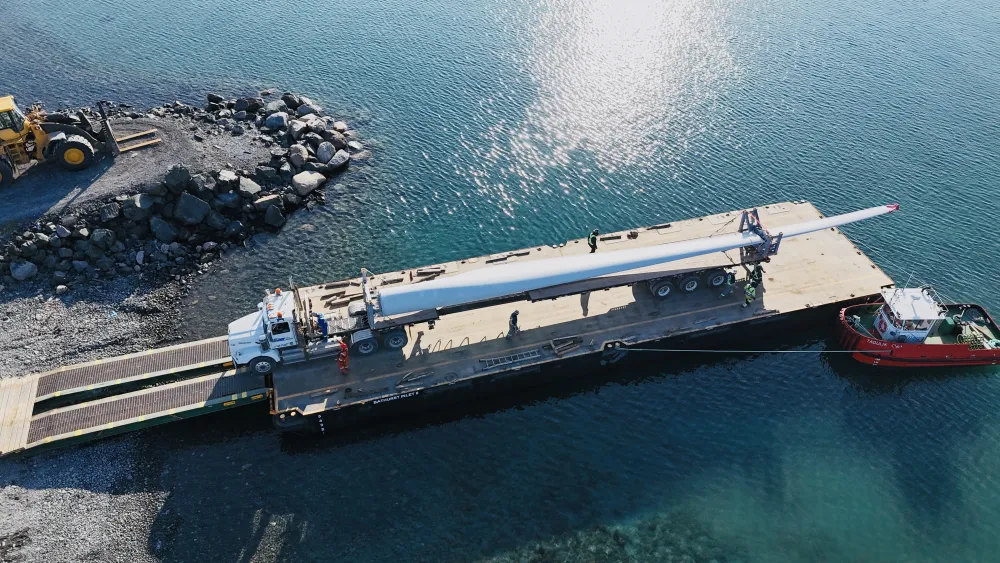
But over the past decade, something remarkable has taken shape and today, clean energy projects – from rooftop solar and heat pumps, to wind turbines and hydro – have been installed in nearly every remote community in Canada. Together, these projects are reshaping the remote energy transition and highlighting the ongoing challenges at the heart of continued diesel reliance.
Diesel microgrids have been a staple of remote community infrastructure since the mid-twentieth century. These generators are noisy, polluting, and expensive – they’re also aging and growing increasingly inefficient.
For decades, local and Indigenous leaders have been advocating for alternatives that can deliver reliable power at an affordable cost. Over time, this advocacy has made the strong case for policies that remove barriers to long-term, local energy planning that respects the worldview, interests, and capacities of each individual community. The outcomes of this advocacy have been nothing short of remarkable.
Take, for example, communities like Naujaat, located directly on the Arctic Circle. Through the development of Ikayuut Solar, its community-owned solar and energy storage project, about 130 homes in the hamlet of 1,200 residents will soon be powered, at least in part, by solar energy. The impact of this type of accomplishment cannot be overstated – once the project is complete this year, an entire generation of Naujaat residents will enjoy true quiet, clean air, and cheaper energy for the first time.
This is just one example of the types of projects currently driving the most significant energy transition in remote communities since diesel generators were originally installed in the 1950s.
Collectively, as highlighted in recent Pembina Institute research , these projects have displaced over 142 million litres of diesel since 2016, more diesel than all three territories use to generate electricity in an entire year combined.
These gains have been achieved from two key catalysts: local leadership and effective federal policy. Community leadership has ensured that projects are designed, built, and operated in ways that reflect local priorities and create lasting benefits. Federal policies, in turn, have supported training, job creation, energy planning, and project funding. Without both, the gains achieved over the past decade would simply not have been possible.
Yet, despite these gains, significant challenges remain.
While clean energy is slashing tens of millions of litres of diesel every year, it cannot keep pace with the rise in energy demand from population and industrial growth. Aging diesel infrastructure continues to fail and has increasingly contributed to outages, evacuations, and worsening energy insecurity. Volatile fuel prices only compound the problem, driving up costs for consumers (who already pay 6-10 times more for electricity than the rest of Canada) and governments (who already pay upwards of $300 million to subsidize diesel every year).
Addressing these challenges will require sustained federal partnership on key issues of cost and capacity. Yet, the federal role in remote grid modernization and diesel reduction is uncertain as many successful federal programs have yet to be renewed or recapitalized. Without a commitment to continued, long-term partnership, projects won’t get built, risking more than 90 million litres of annual diesel reduction– as the cost of continued diesel reliance only rises.
As Canada looks to modernize its energy systems, remote communities cannot be an afterthought – not least because these communities are central to meeting a number of national priorities, including Arctic sovereignty, economic resilience, and modern Northern infrastructure.
This week, the Pembina Institute is in Ottawa with local Indigenous clean energy leaders to deliver exactly this message: community-led solutions are working, but they need durable support. With stable, long-term policies and funding that empower local and Indigenous leadership, Canada can accelerate the transition away from diesel and meaningfully address one of our most challenging energy realities.
The path forward is clear and the ambition, technology, and expertise are waiting in the wings. The question is whether they have a partner in Ottawa to get the job done.