CALGARY — LYNNE COUVES, Director of the Renewables in Remote Communities program at the Pembina Institute made the following statement in response to the Government of Canada’s recently announced plan to defend, build and transform the North.
“The Government of Canada’s announcement of $40 billion investment in the North is a historic, positive step that signals an understanding of the critical importance of properly connecting the North to the rest of Canada.
“In addition to the work being done to protect Arctic security, it is notable that today’s announcement includes a number of tangible projects that will begin to level up infrastructure in the North, including clean energy projects that can provide reliable, locally-generated electricity – and alleviate the energy security challenges that communities have experienced over many years.
“Collectively, these are win-win solutions for longstanding issues like energy insecurity, connectivity, economic development and prosperity, job creation, and reducing communities’ reliance on expensive, highly-polluting diesel imports for everyday energy needs.
"The federal and territorial governments spend millions of dollars subsidizing outdated energy systems in communities across the North. Policies, programs, and initiatives that support electrification, grid modernization, and connectivity present enormous opportunity for local and federal cost savings, emissions reductions, and job creation.
"The success of these efforts, however, will depend on meaningful collaboration with local leaders and rights-holders, many of whom have long been left out of key decisions that deeply affect them. Today’s announcement provides an opportunity to strengthen collaborative infrastructure planning and diesel reduction, but it must build on existing, locally-driven efforts to improve energy systems in communities across the North.
“The Pembina Institute applauds the government for today’s wide-ranging commitments and looks forward to additional efforts to continue to improve energy security across all diesel dependent communities.”
Quick facts
- Many existing diesel generators located across the territories were inherited from the federal government in the 1960s and are nearing the end of their service life. These require significant investments from utilities and governments to maintain safe and reliable microgrids.
- Canadian governments spend $300-400 million dollars annually on diesel fuel subsidies to help bring down the cost of fuel. Even with subsidies, remote, diesel-reliant communities spend 6-10x more for energy than the rest of Canada.
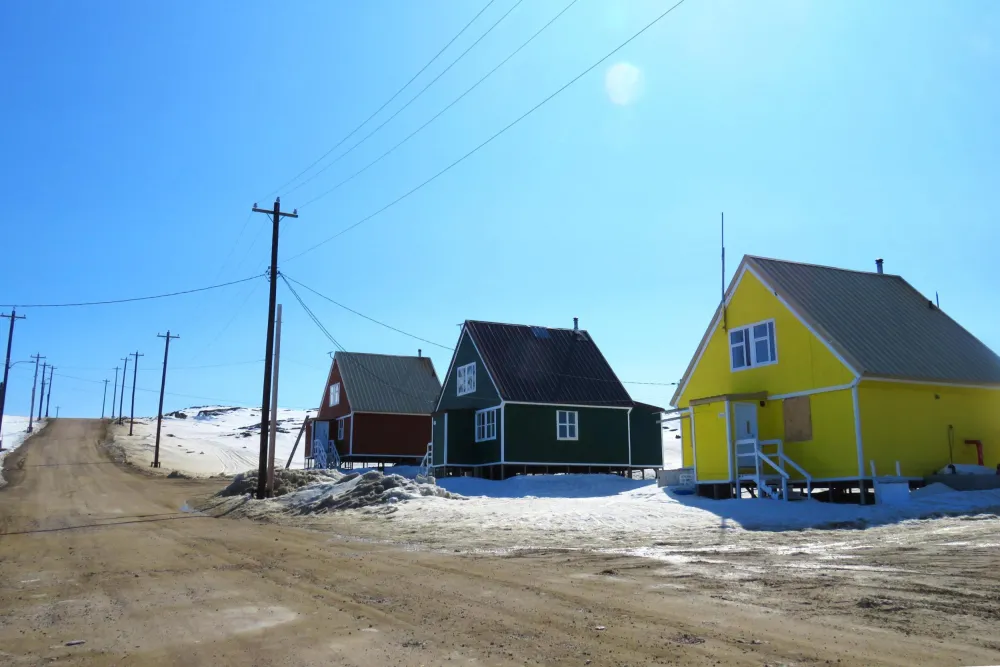
- Nunavut is nearly 100% reliant on diesel fuel for heat and electricity.
- Canada is home to more than 210 communities that are not connected to the North American electrical grid. The vast majority of these communities are Indigenous and located in the Yukon, Northwest Territories, and Nunavut
- Over the past decade, federal funding programs – Wah-ila-toos, Northern REACHE, and the Indigenous off-Diesel Initiative – have played a fundamental role in delivering critical energy infrastructure and upgrades to remote communities across Canada. These effective initiatives have advanced research, training, infrastructure modernization, and diesel reduction but, even with today’s announcement, are at risk of sunsetting.
[30]
Contact
Bhan Gatkuoth
Senior Communications Lead, Pembina Institute;
587-742-0818
Background
Report: Restoring the flow: Policies to support Indigenous-led clean energy in remote communities
Report: Power Shift in Remote Indigenous Communities
Blog: Five questions about the clean energy transition in remote communities
Blog: Funding the territories in energy transition
Op-ed: Local progress on energy, Arctic security must survive federal cuts
Publication: Recommendations on the Northwest Territories 2030 Energy Strategy
Publication: Diesel subsidies in remote communities