
VANCOUVER — CHRIS SEVERSON-BAKER, executive director of the Pembina Institute, made the following statement in response to the Canada-British Columbia Cooperative Prosperity Agreement:
“Today’s agreement between the federal and B.C. governments rightly recognizes that ‘the clean energy transition is an economic opportunity as much as an environmental imperative.’ As Prime Minister Carney remarked early this week, electrification is central to Canadian affordability, economic competitiveness and national security.
“The commitment to explore a national carbon credit framework is the most interesting element of this agreement. It could help incentivize Canadians to invest in electrification in their daily lives — a critical and, so far, missing piece of our national electrification strategy. The market would need appropriate guardrails to produce real incentives and be available to all Canadians to deliver the full range of affordability, health and lifestyle benefits.
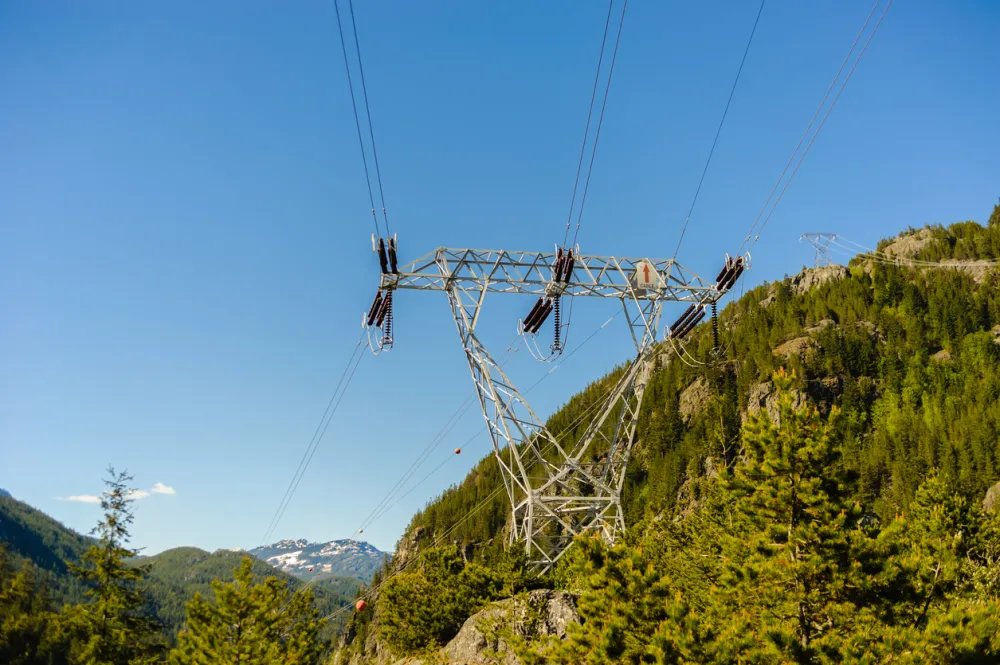
“Significant federal funding for development of the North Coast Transmission Line is also positive. As the federal government recognized in its national electrification strategy, to make life more affordable for Canadians, Canada needs to rapidly increase the amount of available low-cost electricity by making serious investments in electricity generation, transmission, modernization, and distribution.
“This new transmission line will be a big step toward connecting the Yukon and B.C. grids, increasing the reliability and affordability of electricity in both regions, and reducing the need for fossil fuel-based back-up systems. B.C. should allocate this valuable low-cost clean electricity strategically, toward sectors with long-term growth potential, aligning with global investment trends. This will ensure both economic and environmental benefits.
“On the electrification of LNG terminals and offering more public support to LNG development, B.C. should consider the full opportunity cost — and whether there will be reliable long-term market demand for LNG — when evaluating future investments.
“Just as we need to plan our electricity supply, we also need to plan our workforce supply and training capacity. B.C. faces shortages of skilled workers, and major projects will compete for the same labour pool. Canada’s investments in training and recruiting workers at scale must clearly align with projected long-term demand, particularly in electrified, low-carbon industries. Otherwise, labour competition risks driving up costs and delaying projects instead of supporting the energy transition the province hopes to lead.”
Contact
Brendan Glauser
Senior Director, Communications, Pembina Institute
604-356-8829