
OTTAWA — HANNAH HUNTER, senior analyst with the Pembina Institute’s Sustainable Workforce program, made the following statement in response to the federal government’s announcement of more than $430 million in apprenticeship training funding over the next five years under Team Canada Strong.
“Canada’s growing clean economy offers major opportunities to create good jobs and drive economic growth. Realizing these opportunities will depend on having enough skilled workers to expand our electricity system and electrify more of our economy, from transportation and buildings to industry. Today’s investment in apprenticeship training is a welcome step. To make it worthwhile for workers and employers, Canada must ensure this investment goes towards jobs of the future, not the jobs of yesterday.
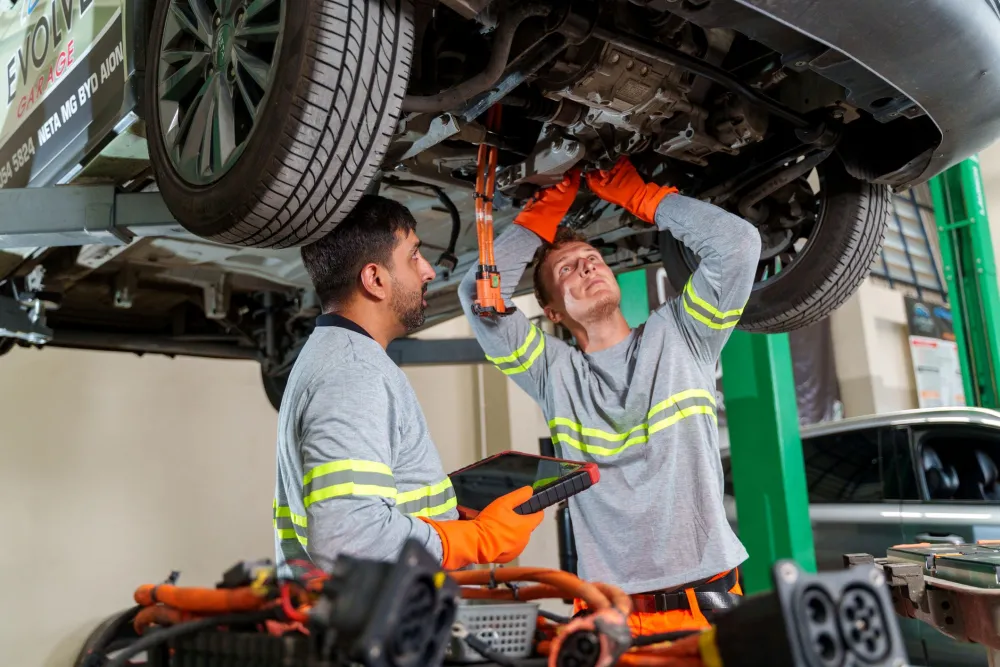
“The funding will help training centres expand, purchase modern equipment and develop new approaches to apprenticeship training through three streams of the Union Training and Innovation Program (UTIP): infrastructure expansion, training equipment and innovation. If allocated well, these investments can help to prepare learners for the advancing technologies and growing demand for skills in the clean economy, including modern construction methods, grid modernization, heat pump installation, and electric vehicle infrastructure.
“Canada has committed to doubling its electricity supply by 2050. To realize the full benefits of that investment, we also need to double electrification and energy efficiency. Achieving these ambitions will depend on having enough skilled workers with the right training and experience. As the government decides which initiatives to fund through UTIP, it should prioritize training that responds to growing demand in the clean economy and builds the skilled workforce needed to deliver on Canada’s economic ambitions.”
Contact
Lejla Latifovic
Senior Communications Lead
819-639-4185
Background
Op-ed: Is Canada spending $6 billion on yesterday's workforce?
Media release: Clean energy leaders call on Canada to “double, double, double” by 2050