OTTAWA — Northern and Indigenous clean energy advocates, energy experts, and environmental organizations will convene on Parliament Hill on June 3-4 to deliver an urgent message to federal decision-makers: remote energy systems are under increasing strain and Ottawa must act to support proven and locally-led solutions.
Over two days of meetings and discussions, participants will engage parliamentarians on the current state of remote energy systems, the growing strain faced by aging and inefficient diesel microgrid systems, and the increasing role clean energy plays in addressing a wide array of intensifying pressures – including anything from rising demand due to a growing defence industry and mining sector and volatile fuel costs triggered by climate change impacts and geopolitical conflict.
As part of the event, Indigenous clean energy leaders from some of the most remote and farthest reaches of Canada will be present to showcase the remarkable and innovative energy solutions they’ve built over the past decade. Advocates will also underscore the critical importance of federal programs in achieving these types of successes; what the looming end date of several key programs means for the ongoing energy transition in remote and northern regions; and the importance of continued funding and programming to support locally-led clean energy development.
Media availability:
Spokespeople from the Pembina Institute and the University of Yukon’s Northern Energy Innovation program will be available for interviews as part of the event.
Quotes
“Remote communities contend with some of Canada’s most challenging energy realities, yet they’re also driving incredible and ambitious work that will leave positive and generational impacts on public health, environment, and affordability for decades to come. They cannot be left to carry this work on their own.”
— Lynne Couves, Program Director, Renewables in Remote Communities, Pembina Institute
"Northern communities have proven that moving off diesel works when it is community-led and technically sound. Northern Energy Innovation exists as a proven model, turning federal commitments into deployable projects developed with Indigenous partners and accountable to the communities we serve."
— Erika Tizya-Tramm, Manager of Community Partnerships with Northern Energy Innovation at Yukon University and citizen of the Vuntut Gwitchin First Nation
Quick facts
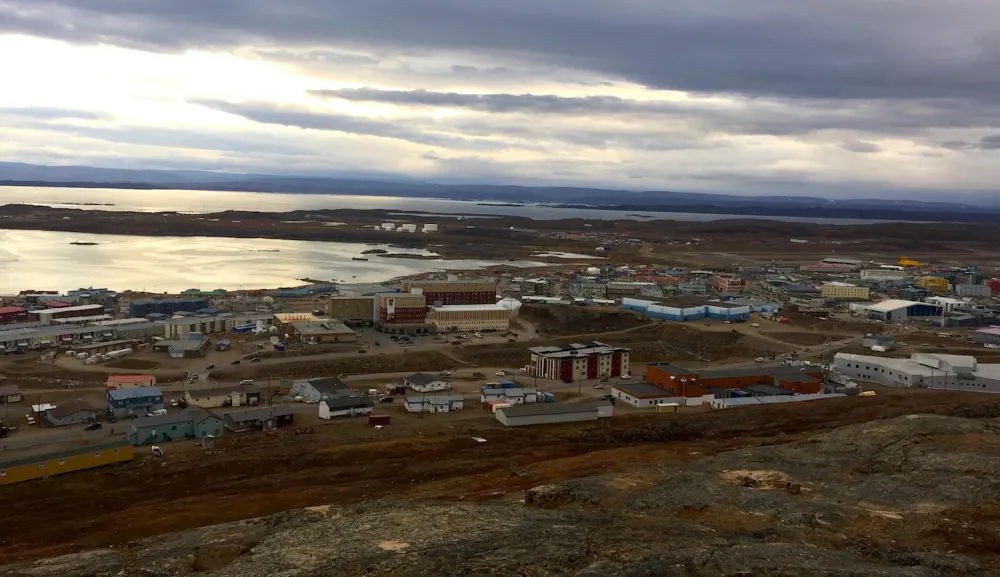
Canada is home to more than 210 remote communities located in nearly every province and territory in Canada. Most of these communities are located in the North (Yukon, Northwest Territories, Nunavut, and Northern Quebec) and rely heavily on diesel fuel for heat and electricity.
Remote communities pay six to ten times for electricity than the rest of Canada.
Governments pay upwards of 300 million dollars a year to subsidize diesel.
Since 2016, the combination of local leadership and key federal programming has led to a reduction of more than 142 million litres of diesel – the same amount of diesel used for electricity in all three territories for a single year combined
Key and successful federal programs are expected to expire by Spring 2027. To continue advancing progress on diesel reduction and clean energy development, these programs must be renewed and/or recapitalized in the next federal budget.
The current queue of shovel ready remote clean energy projects is projected to reduce diesel by 90 million litres a year if completed. The development of these projects depends in large part on the continuation of key federal programs.
[30]
Contact
Senior Communications Lead, Pembina Institute
647-797-9329
Background
Report: Diesel Reduction Progress II
Op-ed: A quieter, cleaner future is within reach in Canada’s North, but Ottawa needs to buy in
Backgrounder: Diesel subsidies in remote communities
Media release: More remote communities than ever being powered by clean energy
Blog: The clean energy transition in remote communities