A strong, diversified economy requires reliable, affordable electricity. Many of the lowest-cost electricity options are also the lowest-carbon. But to harness these fully, Canada's governments must make smart regulatory choices that will determine what their future electricity systems will look like. Our research plots the path to this resilient, modernized electricity system.
Electricity
Clean electricity is the backbone of a modern, competitive economy.
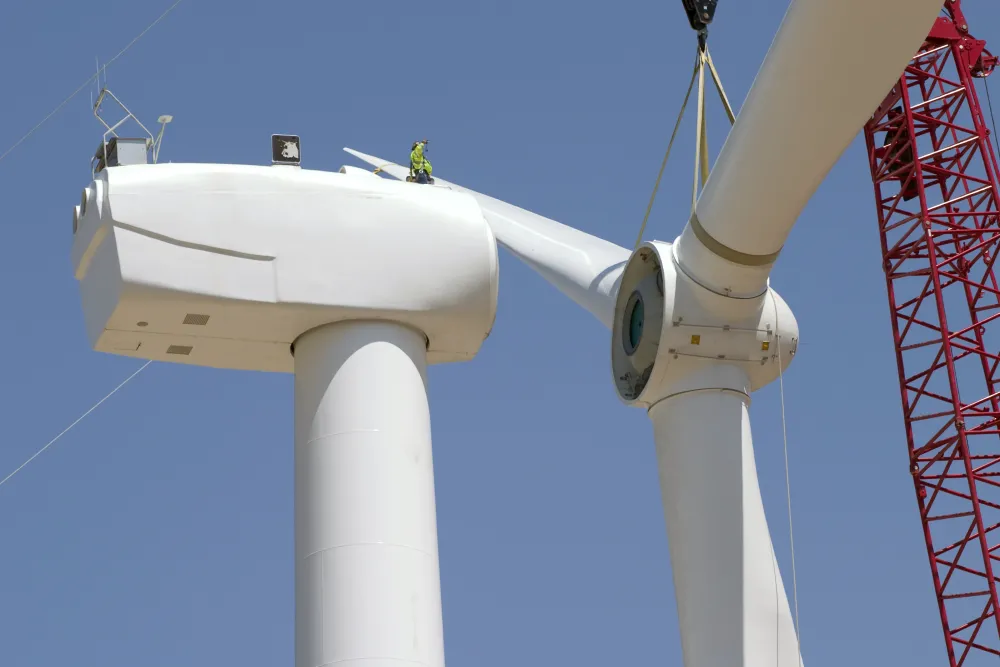
Renewables are powering more of the world each year
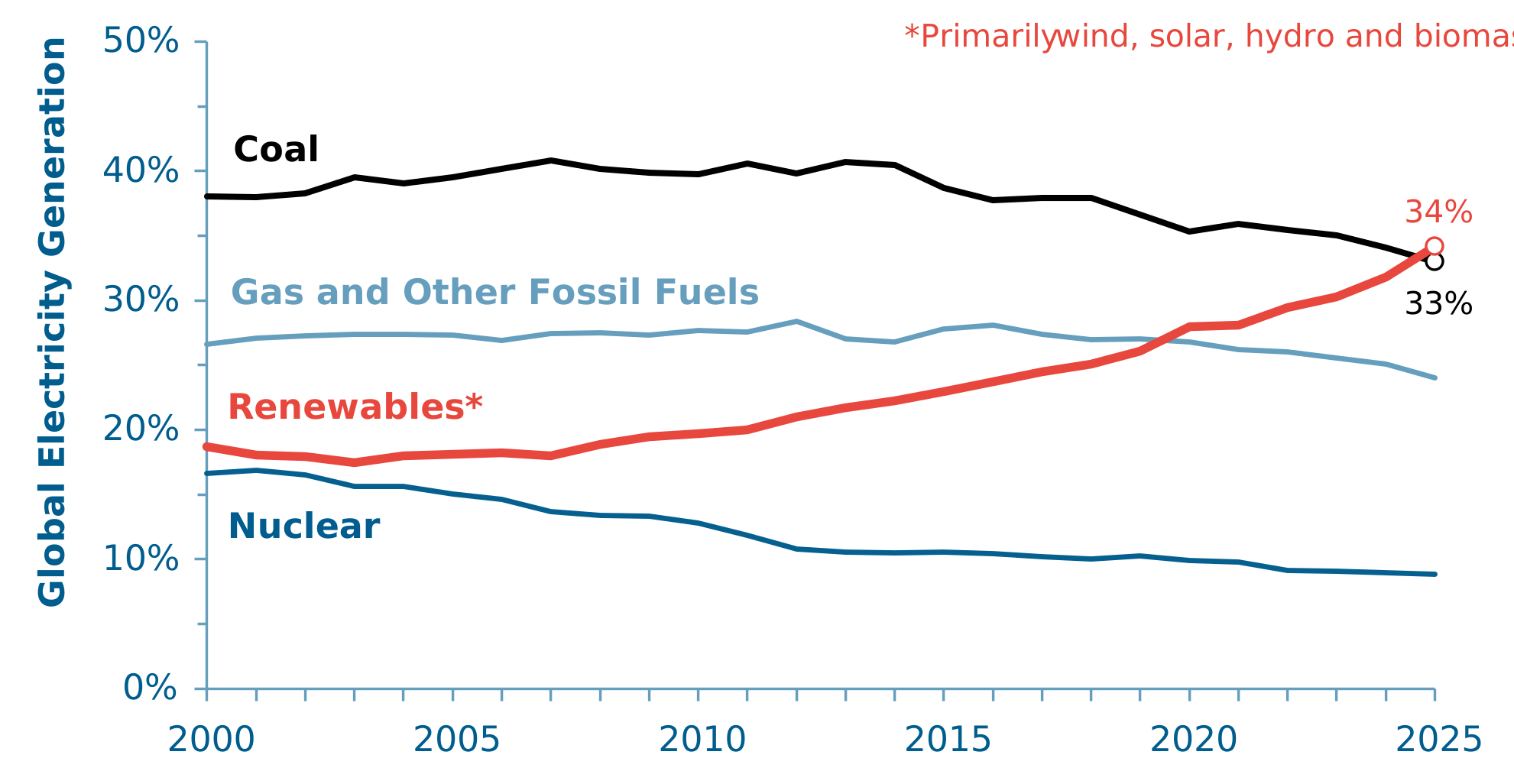
In 2025, for the first time, renewable energy generated more electricity, globally, than coal or any other generation type. This was due to the rapid drop in solar, wind and battery costs.
Key numbers
8.8%
drop in Canada’s energy transition investments from 2024 to 2025.
$2.3 trillion
global investment in clean energy in 2025, double that of fossil fuels.
88%
drop in solar energy generation costs in the last 15 years.
Burning Questions
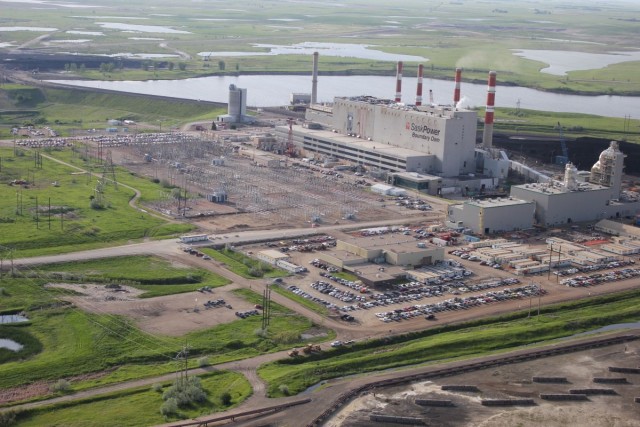
New Pembina Institute analysis finds Saskatchewan's plan to keep coal-fired power running until 2050 would cost tens of billions more than cleaner alternatives such as natural gas and renewables. The decision comes as Canada undertakes one of the largest electricity expansions in its history to meet growing demand from industry, electric vehicles, and building electrification. Despite having some of Canada's best wind and solar resources, Saskatchewan is choosing one of the most expensive paths forward.
Read the reportResearch & Analysis






Why we work on electricity
Clean electricity is the foundation of our future economy
A reliable, affordable supply of clean electricity will be the powerhouse that drives Canada’s economy forward over the next several decades. As more everyday energy uses begin to be powered efficiently by electricity instead of fossil fuels, we urgently need our electricity production and supply to be as low-carbon and low-cost as possible.
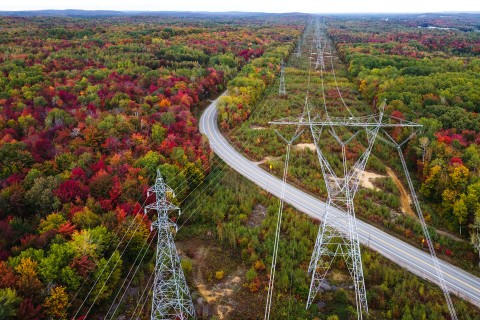
To make this a reality, we need more provinces to be attracting investment from renewable energy developers — and we also need to improve the efficiency and resilience of Canada's overall electricity system by building more transmission infrastructure, for example. This takes time, resources and knowledge.
How do we do this?
We engage with federal and provincial governments, electricity system operators, utilities, and other industry groups to reimagine the generation, supply and regulation of electricity in Canada.

We focus on clean, reliable and affordable electricity
The shift to a net-zero grid requires modernizing the way electricity is generated, transmitted and used. If we get it right, the benefits will include:
- improved reliability, affordability and security of the electricity system,
- a grid with greater resilience against extreme weather events, and
- drastically reduced emissions.
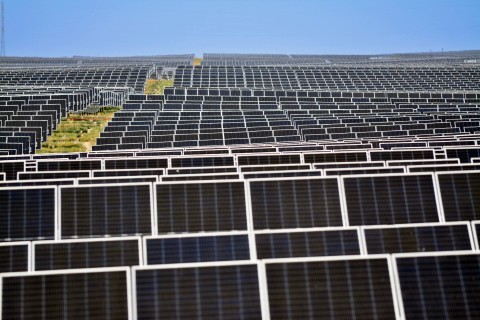
We encourage provinces and territories to achieve all these goals by incorporating a substantial percentage of wind, solar and battery storage into their electricity generation mix, alongside other generation types like hydro and existing nuclear. Renewables are the most affordable form of new electricity generation: in the last 15 years, solar costs have plunged 88 per cent, wind has dropped 74 per cent, and battery storage has fallen 90 per cent.
We support a range of policy mechanisms to drive action
Federal and provincial governments have many tools at their disposal to accelerate the transition to a modernized grid. This includes:
- economic policies, such as carbon pricing and tax credits
- competitive procurements for clean energy
- investments in grid infrastructure, innovative technologies and smarter use of energy by consumers
- flexible regulatory tools like the Clean Electricity Regulations and coal phase-out regulations.
We encourage provinces and territories to create electricity generation and emissions reductions plans that deliver economic prosperity by building a low-carbon, affordable, reliable and resilient electricity supply. Our research, analysis and advice helps governments make smart decisions.
We advocate for the phase-out of coal in Canada
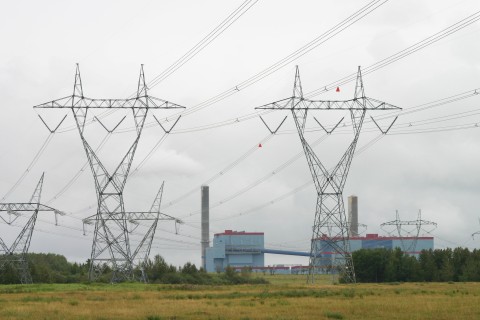
Our work has seen a rapid acceleration in the phase-out of coal across Canada. For example, Alberta switched off its last operational coal-fired plant in 2024, decades ahead of its original 2061 target date. This is a positive example of how well-designed policies and strategic regulations can propel a province towards change.
Elsewhere in Canada there is still work to be done. To push coal-reliant provinces towards phaseout, our work continues to advise on low- and non-emitting sources of electricity. This is key for Canada to continue to make strides towards net-zero.
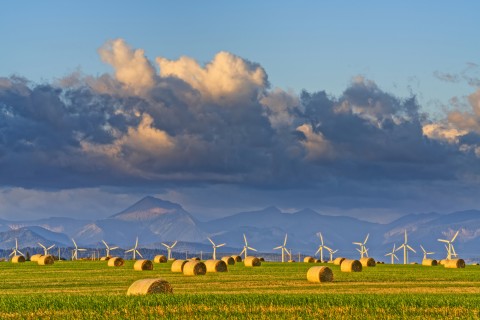

Business Renewables Centre-Canada
What is one of the best ways for Canada to meet its climate goals? Corporate action. This nonprofit initiative shortens the learning curve for corporations and institutions wanting to purchase renewable energy.

“
Electricity is foundational to economic prosperity, and we're going to need significantly more of it over the coming decades. Scaling up the electricity grid while maintaining affordable, reliable and clean electricity supply is one of the most defining issues of the modern era.
Meet David Pickup
Director, Electricity







Contact our Electricity team
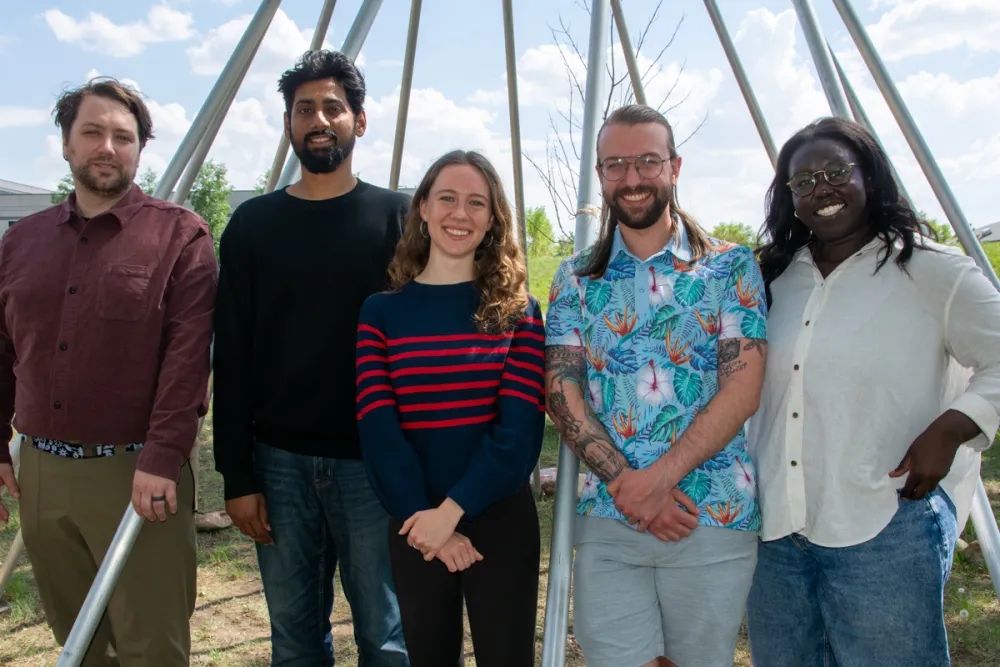
Program Director
David Pickup
c: 587-742-0790
e: davidp@pembina.org
Media Contact
Bhan Gatkuoth (Mountain Time)
c: 587-742-0818
e: bhang@pembina.org
Get our Pembina Perspectives
Pembina Perspectives provides thoughtful, evidence-based research and analysis to support action on climate — in your inbox every two weeks.
We endeavour to protect your confidentiality; read our full privacy policy.
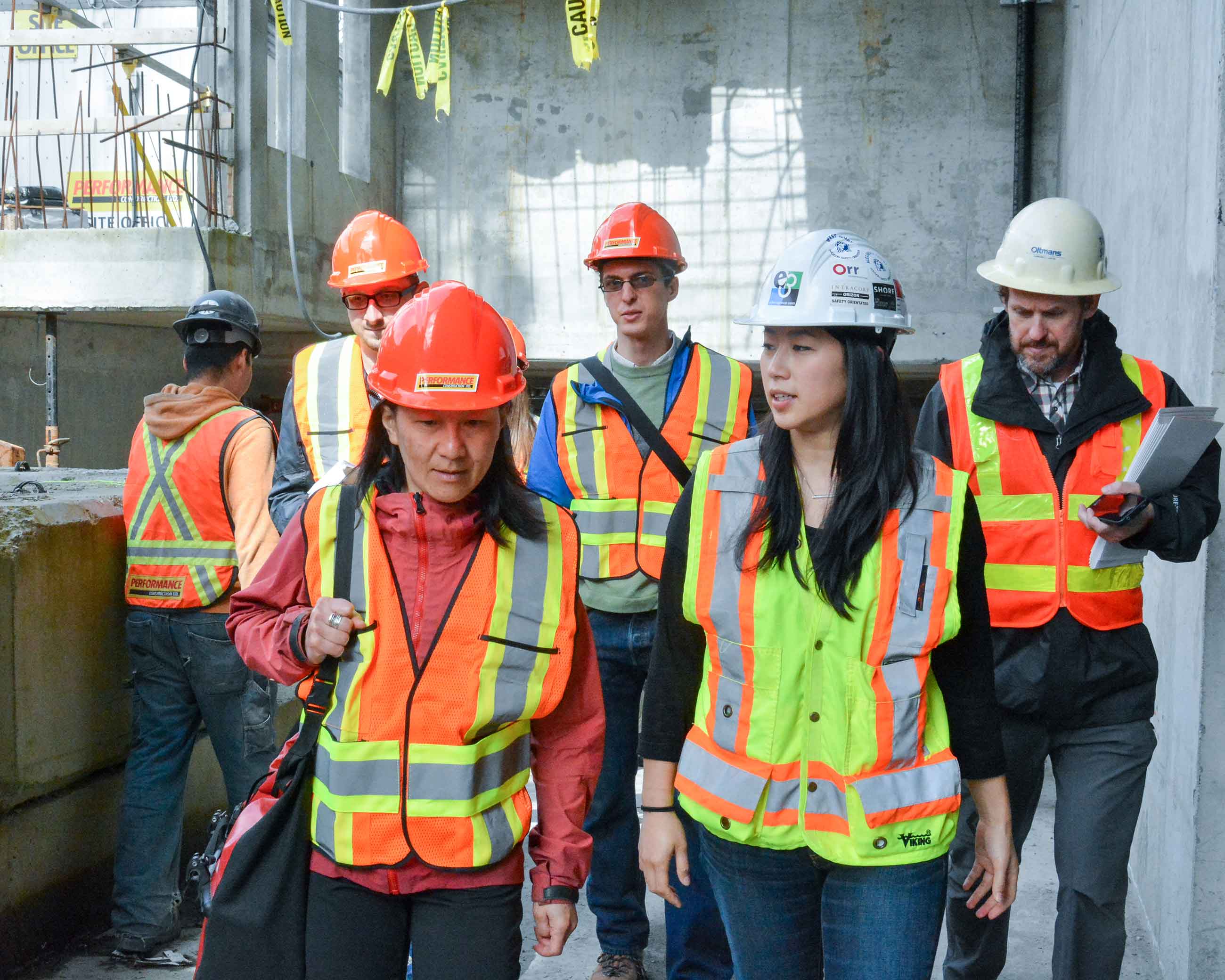
Support clean energy communities
Help Canada transition to clean, reliable and affordable energy sources.