While most Canadians enjoy a clean, reliable, and affordable energy supply, remote communities, which are predominantly Indigenous, are still highly dependent on expensive imported fossil fuels for both heat and electricity.
This is a system that’s been in place for decades and it comes with many economic, social, and environmental challenges for families, businesses, and governments alike.
But, over the past decade, a remarkable rise in clean energy development has taken hold and today, nearly half of all remote communities in Canada are now powered, at least in part, by clean energy.
At the heart of this remarkable shift? Indigenous leadership and good policy.
What is a remote community?
Canada is home to more than 210 remote communities, located in nearly every province and territory in the country. The reason these communities are called “remote” is because, in contrast to the rest of Canada, these communities (and the three northern territories) must produce all their electricity and heat independently from the rest of North America.
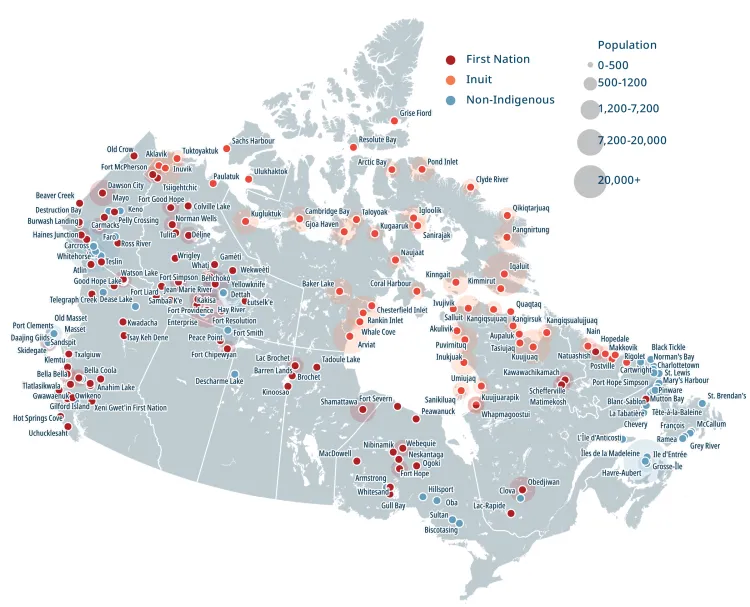
Since remote communities are isolated from provincial electricity systems, they get their power from isolated microgrids. These microgrids are often powered by diesel fuel that is transported to the community by plane, truck, or barge.
This system comes with very high costs for consumers and governments and creates a system of diesel reliance that impacts every aspect of community life from public health to the local economy.
What are people doing to improve remote energy systems?
For many decades, Indigenous leaders from remote communities have been advocating for clean energy projects as solution to the challenges at the heart of diesel dependent energy systems.
In practice, this has involved working with their communities, utilities, and governments to advance community-led and -owned renewable energy initiatives, including wind, solar, hydro and transmission projects.
Their advocacy has made a significant difference and has accelerated the development of hundreds of small to medium scale renewable remote energy projects in almost every province and territory in Canada.
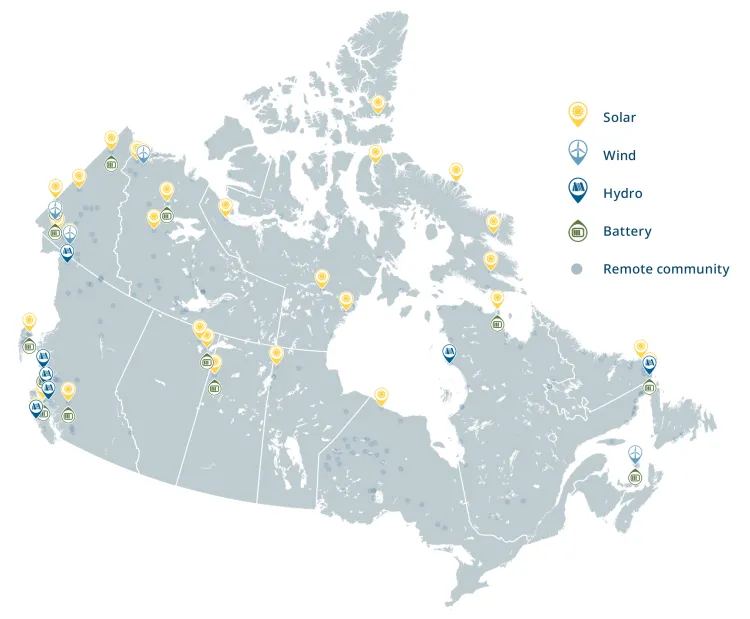
Today, around three-quarters (49 MW) of the new renewable capacity has come from independent projects, 80% of which wholly or majority Indigenous-owned. This is a remarkably different picture than what we’ve seen since the mid-twentieth century when diesel generators began being installed in remote communities.
Notably, our research shows that clean electricity projects in remote communities grew 20 times faster between 2016 and 2026 than the previous decade, with most of this progress (about 92%) occurring between 2020 and 2025.
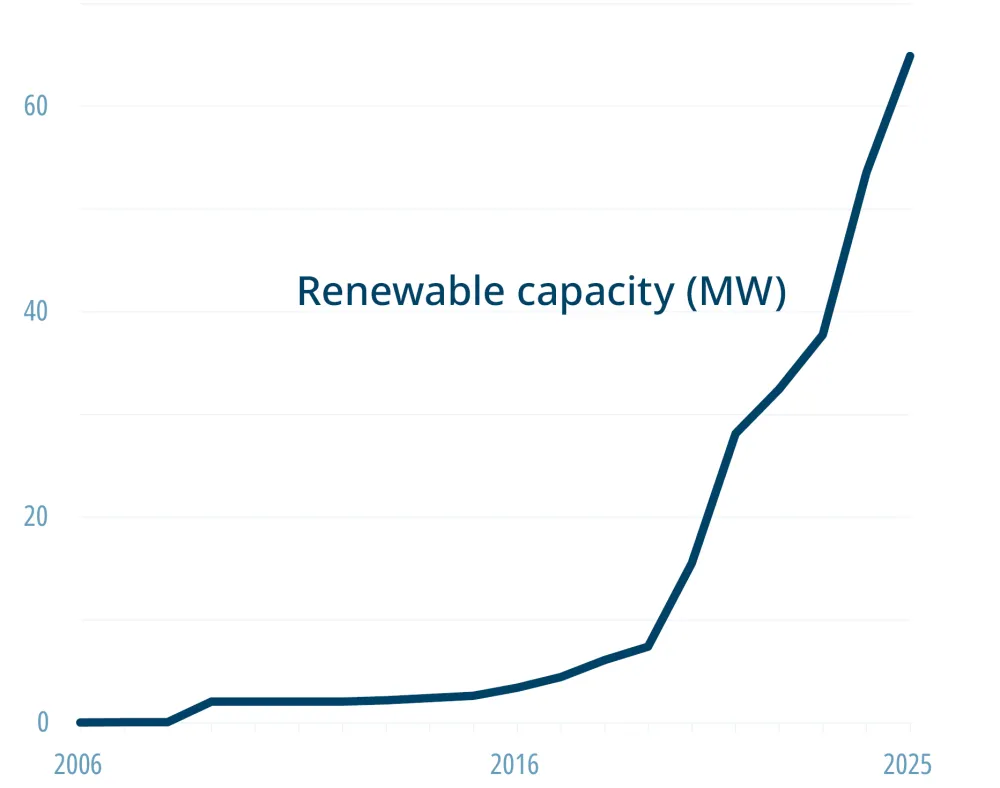
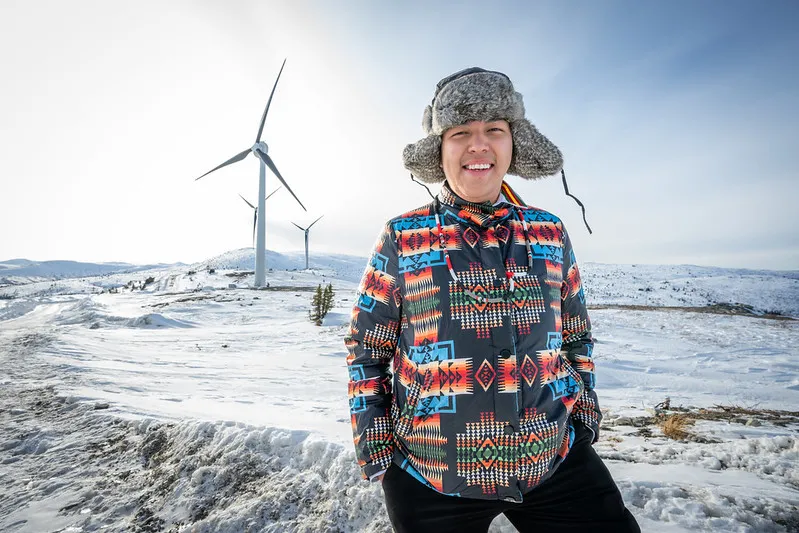
A remarkable energy transition is happening in remote communities, and local Indigenous leaders are the ones driving this change.
What are the benefits of renewable energy projects in remote communities?
There are many reasons why renewable energy makes sense in remote communities, less noise and air pollution are some obvious examples, but there’s also community ownership.
Building, operating, and managing these renewable energy projects helps build community pride, supports local employment and training, and brings in revenue for the local community.
It also helps re-write the failures of our past by respecting Indigenous rights to self-determination. Indigenous leaders have worked with provincial, territorial, and federal governments to assert their rights to energy security and sovereignty under the United Nations Declaration on the Rights of Indigenous Peoples, modern treaties, and governance agreements. This work has been a major catalyst for the rollout of tailored programs and funding to serve remote community energy priorities.
What does all of this mean for governments going forward?
The data is clear: coordinated policies and reliable funding that support local, Indigenous leadership are vital to enabling energy solutions in remote communities. When governments support local leadership through strong and reliable policy, we see real improvements to housing, energy, and community infrastructure.
We also see the improvement and transformation of stubborn and difficult systems that have come with serious challenges for all types of governments and communities.
The remote transition to clean energy is telling us an important story about local leadership and the potential that comes from strong public policy. It’s also presenting us with opportunities to build a country that understands and creates opportunities for shared decision-making.
But the threats of climate change, arctic sovereignty, and economic downturn require continued focus and collaboration so that the progress we’ve seen in the last decade can continue.
The most important thing we can do to protect and advance this progress is ensure that we’re investing in the people, policies, and programs that are already making a real difference.