Pembina Institute

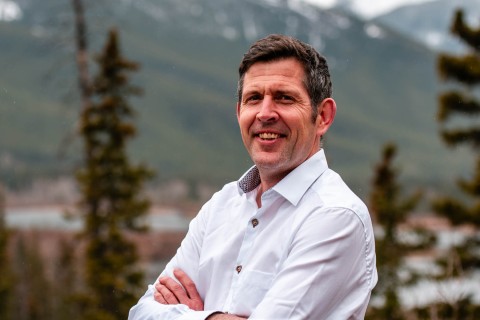
Simon Dyer

Policy Director, Pembina Institute

Phone: 780-485-9610 x100 • Cell: 587-873-3937

Simon Dyer is policy director at the Pembina Institute, and former director of the Institute's oilsands program. A registered professional biologist, Simon has worked on natural resource management issues in western Canada since 1999. Simon holds a Master of Science in environmental biology and ecology from the University of Alberta, and a Master of Arts in natural sciences from the University of Cambridge. Simon lives and works in a small town in the foothills of the Rocky Mountains with his wife Arin and two children. He came to Canada from the U.K. to attend graduate school, and after getting hooked on backpacking, he decided to stay.

Simon is the co-author of over 20 Pembina Institute publications and has represented Pembina Institute at many regulatory and parliamentary hearings and multistakeholder processes.

Simon Dyer is available for speaking engagements through Pembina's Speakers Bureau.


Send an email to Simon Dyer
Your Name
Your Email Address
Subject
Message
This is a media request or other urgent request
 
Blogs
---

Op-Eds
---

Publications

Published April 29, 2013

By Simon Dyer, Jennifer Grant

In 2011 the Pembina Institute released Solving the Puzzle — our report outlining 19 policy solutions for responsible oilsands development. Here we evaluate progress to 2013 on implementing the solutions presented in that report.

Published April 19, 2013

By Simon Dyer

Alberta’s Specified Gas Emitters Regulation (SGER) is due for renewal in 2014, and the Government of Alberta is currently considering revisions to the regulation. A stronger SGER would help Alberta reduce its greenhouse gas (GHG) emissions and enhance social license to operate for sectors, such as the oilsands, that face continued scrutiny of environmental performance.

This briefing note outlines the Pembina Institute's perspective on how Alberta needs to strengthen its greenhouse gas regulations.

Beneath the Surface

A review of key facts in the oilsands debate

Published Jan. 28, 2013

By Simon Dyer, Jennifer Grant, Marc Huot, Nathan Lemphers

This report examines some common claims about the environmental performance of oilsands producers and the environmental impacts of oilsands production.

Responsible Action?

An assessment of Alberta's greenhouse gas policies

Published Dec. 16, 2011

By Matthew Bramley, Simon Dyer, Marc Huot, Matt Horne

This report provides a detailed evaluation of Alberta's current regulations and financial incentives to reduce greenhouse gas pollution, and identifies key opportunities for the Government of Alberta to strengthen its approach to climate change.

Published April 28, 2011

By Jennifer Grant, Simon Dyer, Marc Huot, Danielle Droitsch

Solving the puzzle: environmental responsibility in oilsands development outlines 19 specific solutions available to help the Alberta government adequately address the environmental impacts of oilsands operations.

Toxic Liability

How Albertans Could End Up Paying for Oilsands Mine Reclamation (Report)

Published Sept. 14, 2010

By Nathan Lemphers, Simon Dyer, Jennifer Grant

The pace and scale of oilsands mining continues to increase in Alberta despite a poor understanding of the environmental liabilities: reclamation costs associated with cleaning up the environmental impacts created from mining. In Toxic Liability, the Pembina Institute has compiled the first public estimate of these liabilities, and it looks like Albertans could be left on the hook for the lion's share ($10 to $15 billion) of the cleanup bill.

Toxic Liability

How Albertans Could End Up Paying for Oilsands Mine Reclamation (Fact Sheet)

Published Sept. 14, 2010

By Nathan Lemphers, Simon Dyer, Jennifer Grant

The pace and scale of oilsands mining continues to increase in Alberta despite a poor understanding of the environmental liabilities: reclamation costs associated with cleaning up the environmental impacts created from mining. In Toxic Liability, the Pembina Institute has compiled the first public estimate of these liabilities, and it looks like Albertans could be left on the hook for the lion's share ($10 to $15 billion) of the cleanup bill.

Northern Lifeblood (fact sheet)

Empowering Northern Leaders to Protect the Mackenzie River Basin from the Risks of Oilsands Development

Published July 21, 2010

By Jennifer Grant, Simon Dyer, Nathan Lemphers, Jennifer Dagg

This fact sheet, Northern Lifeblood — Empowering Northern Leaders to Protect the Mackenzie River Basin from the Risks of Oilsands Development, provides an overview of threats to the Mackenzie River Basin and actions that leaders in the North can take to protect their waters.

Northern Lifeblood

Empowering Northern Leaders to Protect the Mackenzie River Basin from Oilsands Risks

Published July 21, 2010

By Jennifer Grant, Simon Dyer, Nathan Lemphers, Jennifer Dagg

This report, Northern Lifeblood — Empowering Northern Leaders to Protect the Mackenzie River Basin from the Risks of Oilsands Development, investigates current and future threats to the Mackenzie River Basin, including the risks associated with the 170 square kilometres of toxic tailings lakes in the Athabasca watershed. The report also details opportunities for both northern leaders and the federal government to proactively protect northern waters.

Mining vs. In Situ

What is the highest environmental impact oil?

Published May 27, 2010

By Simon Dyer, Marc Huot

Mining vs. In Situ provides an initial, much-needed comparison of the environmental impacts of oilsands mining and in situ extraction.

Drilling Deeper Fact Sheet

In Situ Oilsands Report Card

Published March 17, 2010

By Simon Dyer, Jeremy Moorhouse, Marc Huot

Drilling Deeper provides a first-of-its-kind analysis of the environmental performance of in situ oilsands by comparing nine operational facilities.

Published March 17, 2010

By Simon Dyer, Jeremy Moorhouse, Marc Huot

Drilling Deeper provides a first-of-its-kind analysis of the environmental performance of in situ oilsands by comparing nine operational facilities.

In Situ Oilsands Report Best Practices Checklist

In Situ Best Practices Checklist

Published March 17, 2010

By Simon Dyer, Jeremy Moorhouse, Marc Huot

Based on the in situ oilsands report card, this best practices checklist shows how industry can improve environmental performance.

Published Dec. 1, 2009

By Terra Simieritsch, Simon Dyer, Water Matters

This document provides background information about tailings and about Directive 074: Tailings Performance Criteria and Requirements for Oilsands Mining Schemes.

Tailings Plan Review

An Assessment of Oilsands Company Submissions for Compliance with ERCB Directive 074

Published Dec. 1, 2009

By Terra Simieritsch, Simon Dyer, Water Matters

A comprehensive review conducted by the Pembina Institute and Water Matters found that only two oilsands operations reported they would meet new rules to reduce toxic tailings.

Carbon Copy (Fact Sheet)

Preventing Oilsands Fever in Saskatchewan

Published Aug. 13, 2009

By Terra Simieritsch, Simon Dyer, Marc Huot

The oilsands in Saskatchewan could hold as much as 2.3 billion barrels of bitumen, and cover an area of 27,000 square kilometres. Development of oilsands is still in its early stages in Saskatchewan, so there is still an opportunity to do things properly and avoid the mistakes in Alberta.

Carbon Copy

Preventing Oilsands Fever in Saskatchewan

Published Aug. 13, 2009

By Terra Simieritsch, Simon Dyer, Marc Huot

The oilsands in Saskatchewan could hold as much as 2.3 billion barrels of bitumen, and cover an area of 27,000 square kilometres. Development of oilsands is still in its early stages in Saskatchewan, so there is still an opportunity to do things properly and avoid the mistakes in Alberta.

Published June 4, 2009

By Jennifer Grant, Dan Woynillowicz, Simon Dyer

The Oilsands Myths guide provides concise, referenced information on oilsands environmental impacts and management. An overview slide show is also available.

Published June 4, 2009

By Jennifer Grant, Dan Woynillowicz, Simon Dyer

This slideshow identifies a growing body of oilsands “spin” from federal and Alberta politicians and the oilsands industry and counters them with the plain facts about oilsands impacts.

Published June 4, 2009

By Simon Dyer

A letter sent to Canadian and U.S. politicians alerting them to the availability of a new Pembina Institute resource that provides clear, factual information on the environmental impacts of Canada’s oilsands development.

Published May 13, 2009

By Simon Dyer

The Pembina Institute's submission to the House of Commons Standing Committee on Environment and Sustainable Development Hearings, also known as the Oil and Water Hearings.

Oilsands and Water

A Growing Toxic Legacy for Canada

Published May 13, 2009

By Simon Dyer

Simon Dyer, the Pembina Institute's Oilsands Program Director, presented on the impact of oilsands development on water resources as part of the Pembina Institute's submission to the House of Commons Standing Committee on Environment and Sustainable Development Hearings (also known as the Oil and Water Hearings).

Published April 7, 2009

By Dan Woynillowicz, Marlo Raynolds, Simon Dyer

On behalf of the Oilsands Environmental Coalition, the Pembina Institute and Ecojustice filed an affidavit with the Alberta ERCB and the Canadian Environmental Assessment Agency requesting that the approval of Royal Dutch Shell’s Jackpine Mine and Muskeg River Mine Expansion oilsands projects be re-considered through a new public hearing.

Published March 31, 2009

By Simon Dyer

The Pembina Institute submitted this letter to the ERCB to provide feedback on the Draft Directive: Requirements for Water Measurement, Reporting, and Use for Thermal In Situ Oilsands Operations.

Published Feb. 13, 2009

By Simon Dyer

A letter to Alberta Environment from the Pembina Institute in response to the draft policy for Emission Standards for the Use of Non-gaseous Fossil Fuels for Steam Generation in In-Situ Bitumen or Heavy Oil Recovery Projects.

Danger in the Nursery

Impact on Birds of Tar Sands Oil Development in Canada's Boreal Forest

Published Dec. 2, 2008

By Simon Dyer, Natural Resources Defense Council (NRDC), Boreal Songbird Initiative

The extraction and refining of bitumen from Canada’s oilsands is taking a significant toll on migratory birds throughout North America. This report outlines the effects of the oilsands industry on migratory bird populations in Alberta’s boreal forest and along the Western Hemisphere’s flyways.

Taking the Wheel

Correcting the Course of Cumulative Environmental Management in the Athabasca Oilsands

Published Aug. 18, 2008

By Chris Severson-Baker, Simon Dyer, Jennifer Grant

Recognizing the urgent need for environmental management and the benefits of engaging stakeholders, the Pembina Institute puts forward recommendations for a new multi-stakeholder approach to environmental management in the Athabasca oilsands.

Upgrader Alley

Oilsands Fever Strikes Edmonton

Published June 16, 2008

By Mary Griffiths, Simon Dyer

The Pembina Institute's new report, Upgrader Alley, provides the first in-depth look at the environmental impacts of upgrading oilsands bitumen in the Edmonton region. It recommends that the Government of Alberta only approve new projects once environmental and infrastructure plans are completed and implemented.

Download the full report.

Download the fact sheet.

Upgrader Alley (fact sheet)

Oilsands Fever Strikes Edmonton

Published June 16, 2008

By Mary Griffiths, Simon Dyer

Oilsands production in northern Alberta could triple by 2020, to four million barrels a day. As a result of this increasing oilsands production, a major industrial expansion of bitumen upgraders is underway northeast of Edmonton. This so called "Upgrader Alley" is expected to handle early half the oilsands production, right on Edmonton’s doorstep.

This report, commissioned by the Canadian Boreal Initiative (CBI) and authored by the Pembina Institute and Alberta Research Council, brings together experiences from the application of offset policies in other jurisdictions with perspectives from industry, First Nations, government, academics and environmental groups in Alberta. It concludes that biodiversity offsets should be considered to address the growing impacts on biodiversity from resource development in the Boreal, including in Alberta's oilsands region.

Fact or Fiction

Oilsands Reclamation

Published May 26, 2008

By Jennifer Grant, Dan Woynillowicz, Simon Dyer

Fact or Fiction: Oilsands Reclamation is a critical review of current policies and practices governing oilsands reclamation.

Download the full report.

Download the fact sheet.

Fact or Fiction (Fact Sheet)

Oilsands Reclamation

Published May 26, 2008

By Jennifer Grant, Dan Woynillowicz, Simon Dyer

Oilsands mining has transformed the Athabasca region of northeastern Alberta, and every year the lack of effective reclamation standards and the poor reclamation record of the oilsands mining industry becomes a bigger and bigger problem.

Download the fact sheet.

Download the full report.

Polling Alberta's Politicians on Oilsands

Results of the Alberta 2008 election all-candidate oilsands survey

Published Feb. 26, 2008

By Dan Woynillowicz, Simon Dyer

Published Jan. 11, 2008

By Simon Dyer

Under-Mining the Environment

The oilsands report card

Published Jan. 10, 2008

By Simon Dyer, Jeremy Moorhouse, Katie Laufenberg, Rob Powell, WWF

This Pembina Institute and WWF-Canada report is the most comprehensive comparative assessment of 10 of Alberta's operating, approved or applied for oilsands mines. The first of its kind, this report finds that for the most part oilsands mines get a failing grade.

Oilsands mines were ranked on 20 different environmental indicators in five categories: environmental management, land impacts, air pollution, water use, and management of greenhouse gases.

Published Jan. 10, 2008

By Simon Dyer, Jeremy Moorhouse, Katie Laufenberg, Rob Powell, WWF

This fact sheet summarizes the key points from the Pembina Institute and WWF-Canada report Under-Mining the Oilsands. The full report is the most comprehensive comparative assessment of 10 of Alberta's operating, approved or applied for oilsands mines. The first of its kind, this report finds that for the most part oilsands mines get a failing grade.

Oilsands mines were ranked on 20 different environmental indicators in five categories: environmental management, land impacts, air pollution, water use, and management of greenhouse gases.

Published May 8, 2007

By Simon Dyer

These poll results are Part 1 of a two-part survey commissioned by the Pembina Institute to gauge Albertans' perceptions of oilsands development. Part 1, focuses on Albertans' perceptions of the pace and scale of oilsands development. The results of Part 2, which focuses on Albertans' perspectives on royalties and economic issues associated with oilsands development, was released on May 15, 2007.

Published May 7, 2007

By Simon Dyer

This exclusive media background document summarizes poll results concerning Albertans' opinions on the management of greenhouse gas emissions in the oilsands. These results are part of a more extensive poll covering Albertans' opinions on the environmental and economic impact of the oilsands development that will be released May 8 and May 14 2007.

Published April 11, 2007

By Dan Woynillowicz, Peggy Holroyd, Simon Dyer

This 4 page fact sheet highlights the key problems with the manner in which the Government of Alberta grants the initial rights to companies to explore for and develop oilsands. Recommendations for improving the process are also presented.

Published April 11, 2007

By Dan Woynillowicz, Peggy Holroyd, Simon Dyer

This 42 page report sheds light on the way in which the Alberta Government grants oilsands rights to oilsands companies thus driving many of the environmental and social problems plaguing the oilsands region today. Recommendations are made to improve the process.

Published Sept. 14, 2006

By Simon Dyer

Most of Alberta's oilsands are too deep to mine. Oil must be extracted using other methods that result in a dense network of roads, wells and pipelines throughout the forests of Alberta. Deep oilsands extraction could potentially impact 21% of Alberta. Simon Dyer represented the Pembina Institute at a oilsands consultation meeting in Peace River where he outlined the impacts of and proposed solutions for deep oilsands development.

Published Aug. 1, 2006

By Simon Dyer

The Pembina Institute's book, Death by a Thousand Cuts: The Impacts of In Situ Oilsands Development on Alberta's Boreal Forest examines the environmental impacts of in situ (in place) development of deep oilsands that has the potential to affect a forested region 50 times larger than the areas leased for oilsands mining north of Fort McMurray.

Published Aug. 1, 2006

By Simon Dyer

The Pembina Institute's new book Death by a Thousand Cuts: The Impacts of In Situ Oilsands Development on Alberta's Boreal Forest examines the environmental impacts of in situ (in place) development of deep oilsands that has the potential to affect a forested region 50 times larger than the areas leased for oilsands mining north of Fort McMurray. This document accompanies the report, and provides an overview of key facts and figures.

Published May 30, 2006

By Simon Dyer

The Pembina Institute commissioned Probe Research Inc. to conduct a study to gauge public attitudes towards the environmental and economic impacts of oilsands development in Alberta and to identify the roles and responsibilities of the public and private sectors involved in oilsands development.

Published May 30, 2006

By Simon Dyer

The Pembina Institute commissioned Probe Research Inc., a professional research and survey organization based in Winnipeg, Manitoba, to conduct a study among Alberta adults. The purpose of the study was to gauge public attitudes towards the environmental and economic impacts of oilsands development in Alberta and to ascertain Albertans' understanding and expectations regarding the roles and responsibilities of the public and private sectors involved in oilsands development.

---


Copyright © The Pembina Institute. All rights reserved.