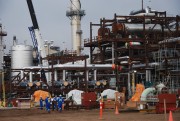
While oilsands mining is set to expand for decades, in situ techniques are expected to surpass mining by 2017, changing the face of oil sands production. Industry has argued in situ is a less impactful form of production, but we've done our homework and the results don't support industry claims.
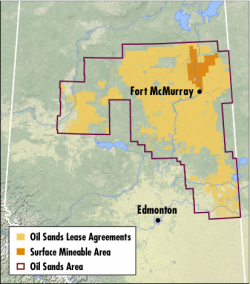 Alberta's oilsands underlie approximately 140,000 km2 - an area about the size of Florida. Of that area, 60 per cent has been leased for development. In situ techniques involve drilling down to reach oilsands too deep to mine, and more than 80 per cent of Alberta's oilsands are too deep to mine. That means the impacts associated with in situ oilsands development matter.
We get a lot of requests for information comparing the environmental performance of oilsands mining versus in situ oilsands development. As a result of this, we have developed a new resource - a fact sheet that compares mining and in situ development side by side for the first time.
Using data from our report cards, Undermining the Environment and Drilling Deeper, we found it's clearly not possible to state that one form of oilsands development is environmentally preferable to the other - despite attempts by some industry boosters to do so.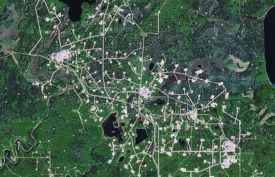
In situ oilsands development is more greenhouse gas and sulphur dioxide intensive per barrel of bitumen than oilsands mining. A typical mineable barrel on the other hand, results in more water use. While it would seem that oilsands mining would have a greater impact on Alberta's forests, the data suggests that from a cumulative perspective in situ development may result in a greater loss of forest habitat. In situ oilsands development also fares poorly when you factor in the loss of habitat associated with the increased gas production required to fuel in situ extraction. That means a typical in situ barrel may actually have a 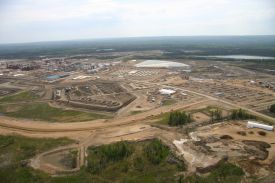 higher land footprint than a mined barrel of bitumen.
It's tempting to claim in situ is preferable to oilsands mining. After all, mining creates expansive toxic tailings lakes and open pit mines, both posing serious reclamation challenges. But we need to weigh the evidence before we look at one form of development as preferable to the other. The evidence tells us - both mining and in situ oilsands development produce significant cumulative environmental impacts, and those remain unaddressed.